The Bibi Edit
Stories, Style & Substance
Stories, Style & Substance
Stories, Style & Substance
As The Feminine Edit launches this month, coinciding with Women’s History Month, it feels like the perfect moment to reflect on why feminist literature is still relevant. This isn’t nostalgia; it’s recognition. It’s recognition that the stories women tell are essential to understanding our world, our culture, and ourselves.
In 2026, it is tempting to believe that feminist literature belongs to another era.
We have women in boardrooms. Women in politics. Women running publishing houses. Women shaping culture. We have viral conversations about soft life aesthetics and girlhood and generational healing. On the surface, it looks like progress has settled into permanence.
But feminist literature still matters.
Not because we are where we used to be, but because we are not yet where we think we are.
Feminist writing has never just been about rights. It has always been about interiority. About giving language to experiences that used to be dismissed, silenced, romanticised, or misunderstood. It is about saying: this happened, this matters, and I am not imagining it.
From the radical clarity of bell hooks to the sharp social observations of Chimamanda Ngozi Adichie, feminist literature has always functioned as both mirror and magnifying glass. It reflects society back to us …
…and then asks us to look closer.
One of the quiet myths of the 2020s is that feminism is complete.
That the battles were fought.
That the structures were dismantled.
That equality is just a matter of personal ambition now.
But literature tells the truth that statistics often flatten.
It tells the truth about emotional labour. About invisible caregiving. About the commodification of empowerment. About the performance of independence. It examines how capitalism repackages liberation into aesthetics, how “having it all” often still means doing it all.
Contemporary feminist novels interrogate burnout culture. Dating dynamics. Motherhood ambivalence. Workplace power plays. Racialised femininity. Desire. Anger. Softness. Ambition.
They ask: who is allowed to want? Who is allowed to fail? Who is allowed to be unlikeable?
These questions remain painfully current.
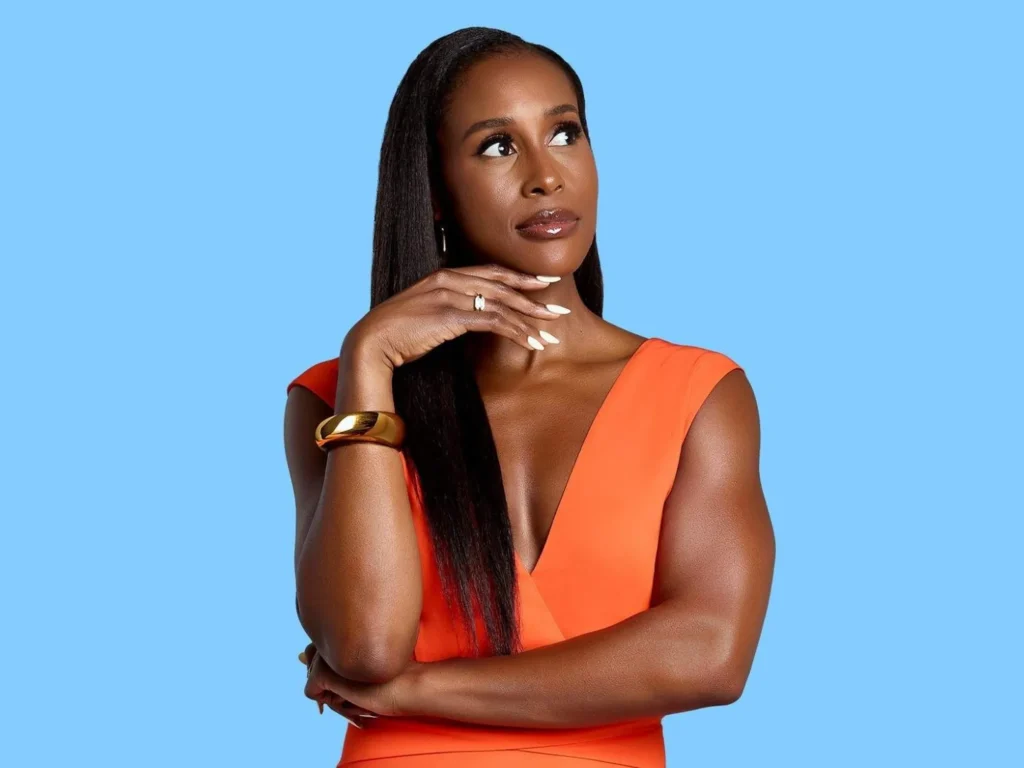
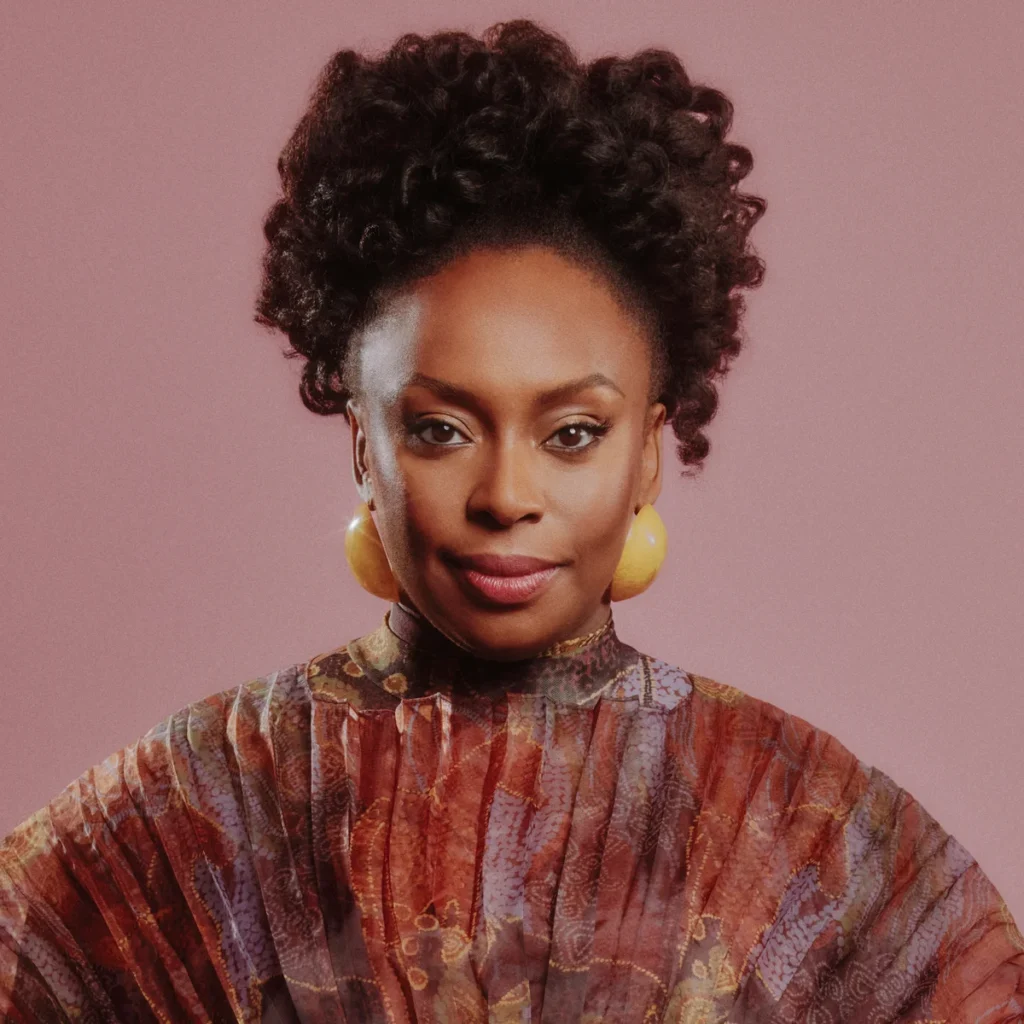
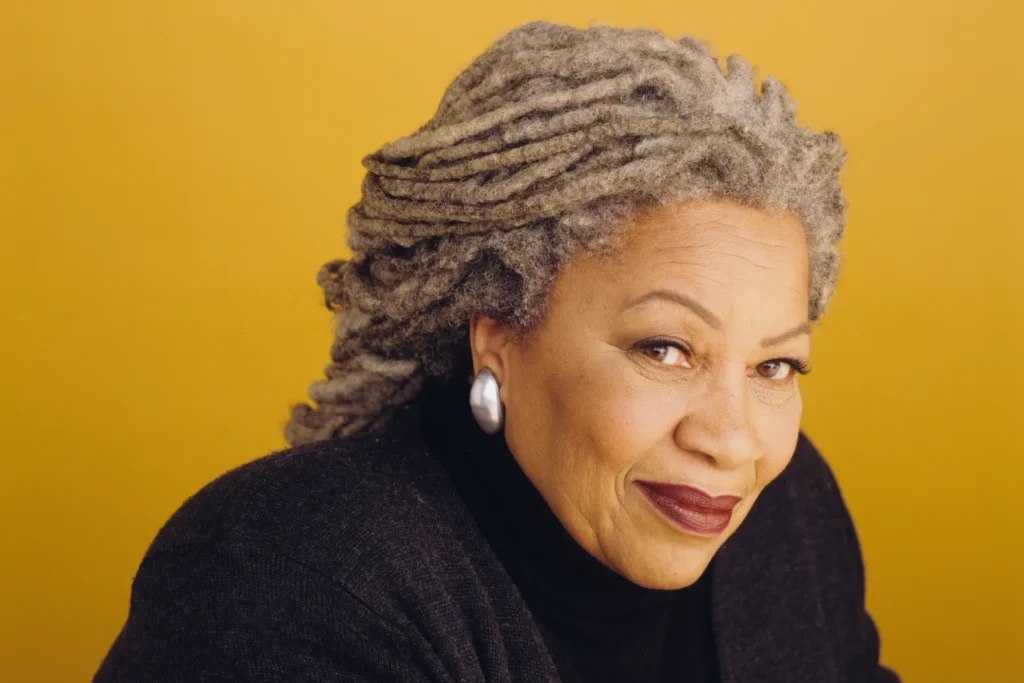
Feminist writing also matters because it preserves memory.
Without literature, each generation risks believing its struggles are new, or worse, personal failures.
When we read The Second Sex, we understand that the idea of woman as “Other” was structurally embedded long before we were born. When we return to The Feminine Mystique, we see how dissatisfaction was once pathologised rather than politicised.
And when we read contemporary feminist fiction, we see how those historic tensions mutate rather than disappear.
Literature connects us across decades. It prevents amnesia.
It says: you are not alone in this feeling.



Feminist literature in 2026 is not singular.
It is global.
Intersectional.
Queer.
Disabled.
Migrant.
Neurodivergent.
It stretches far beyond Western frameworks and middle-class anxieties.
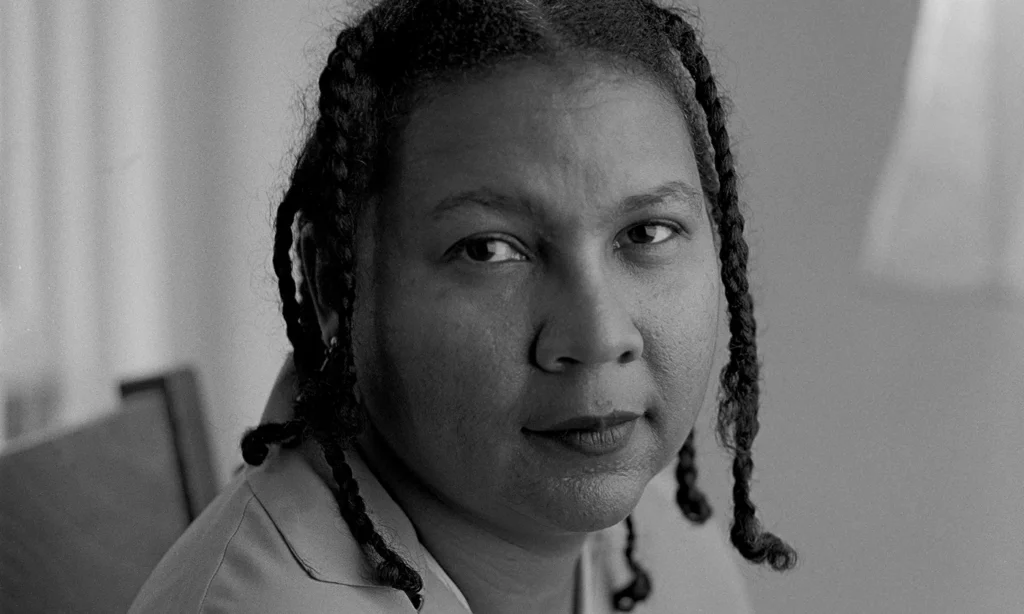

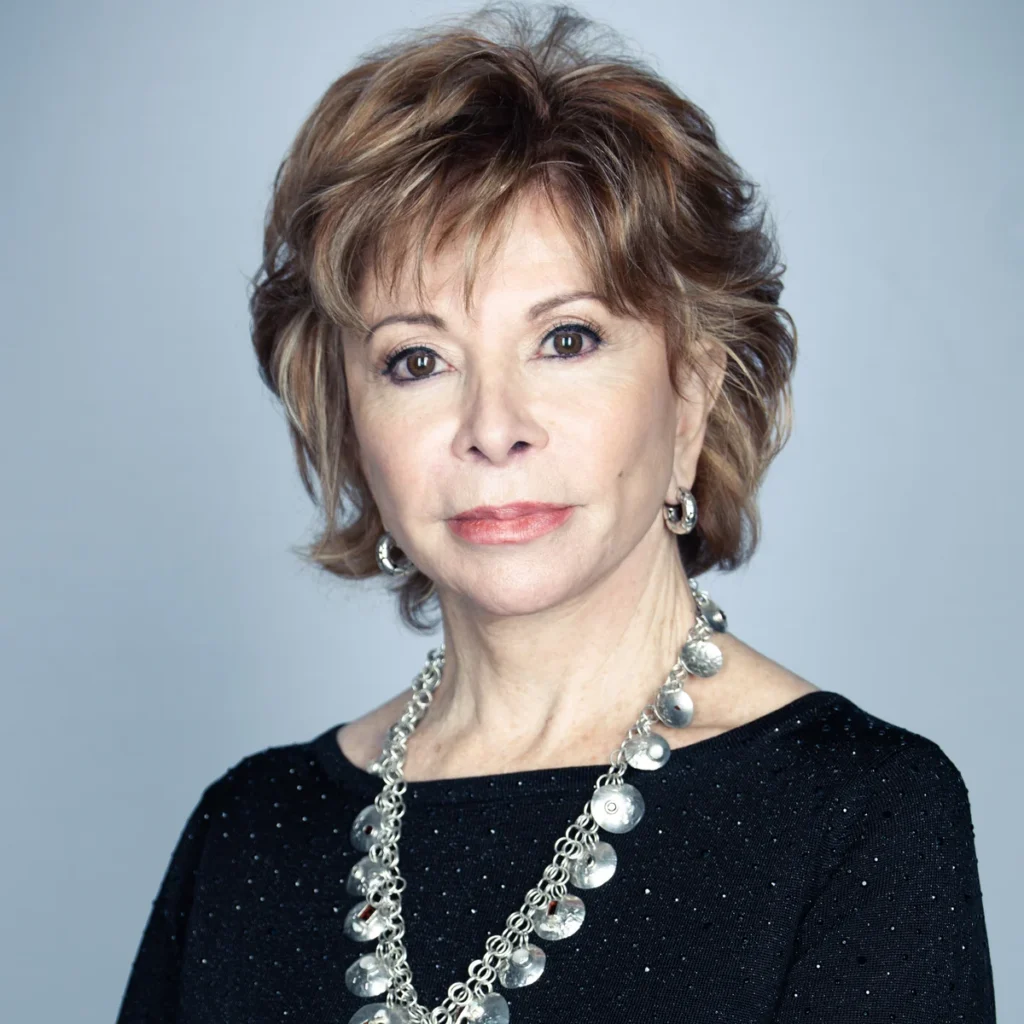
It includes African feminist thought. Caribbean feminist poetry. South Asian diasporic memoir. It interrogates colonial legacies alongside patriarchy. It refuses to separate race from gender, or class from liberation.
Modern feminist writers are not only asking for equality within existing systems. They are questioning the systems themselves.
And this is precisely why it still matters.
Because feminism that does not evolve becomes nostalgia. And literature is one of the primary sites of that evolution.
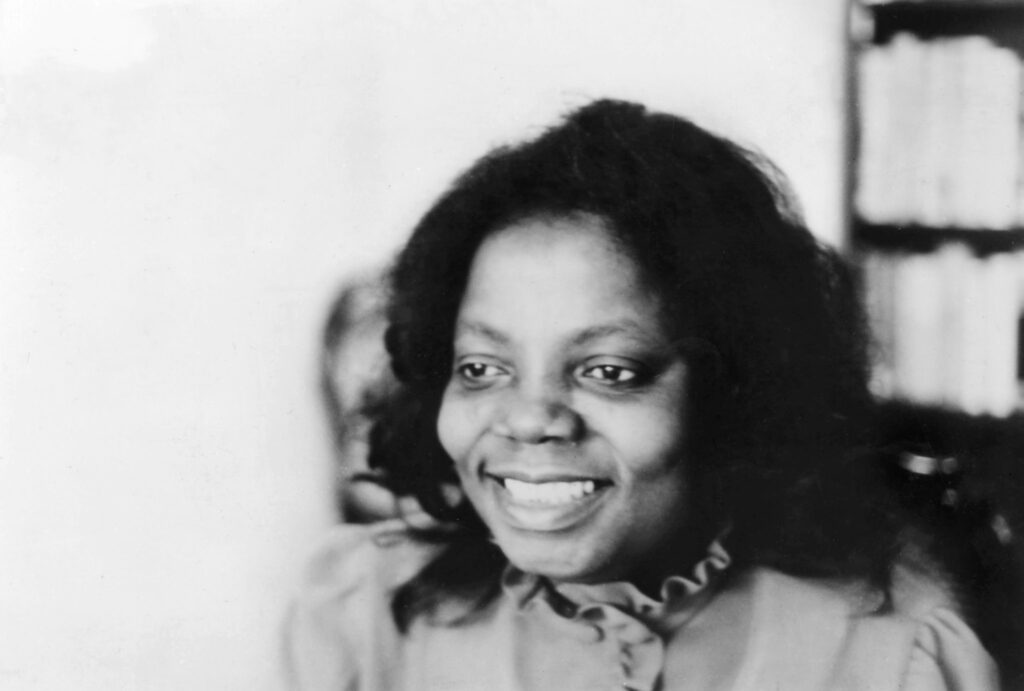
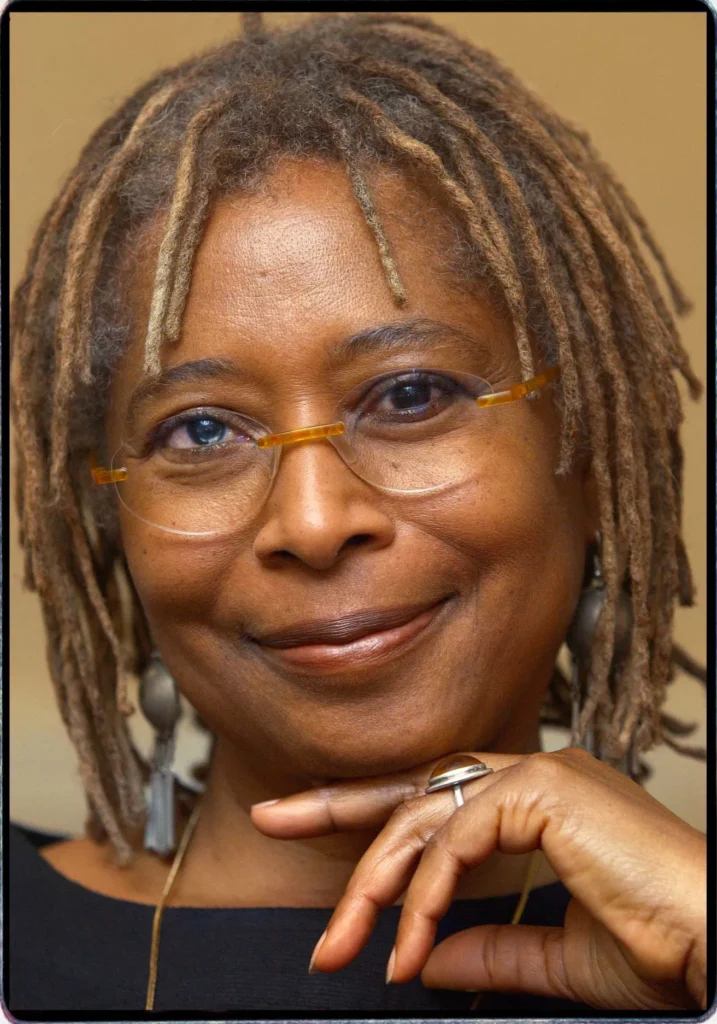
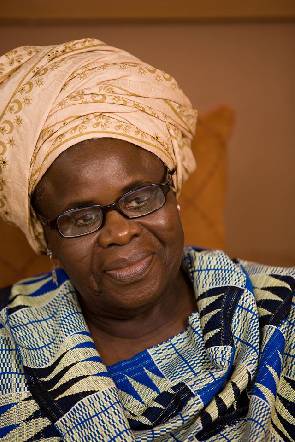
Perhaps most importantly, feminist literature remains a revolution of the interior.
It teaches women, and anyone marginalised by gendered expectations, that their inner lives are worthy of attention.
That anger is not hysteria.
That softness is not weakness.
That ambition is not arrogance.
That pleasure is not frivolous.
It challenges the scripts we have internalised.
In a digital age where narratives are short, reactive, and algorithm-driven, long-form feminist literature invites slowness.
Reflection.
Nuance.
Complexity.
It resists simplification.
And that resistance is powerful.

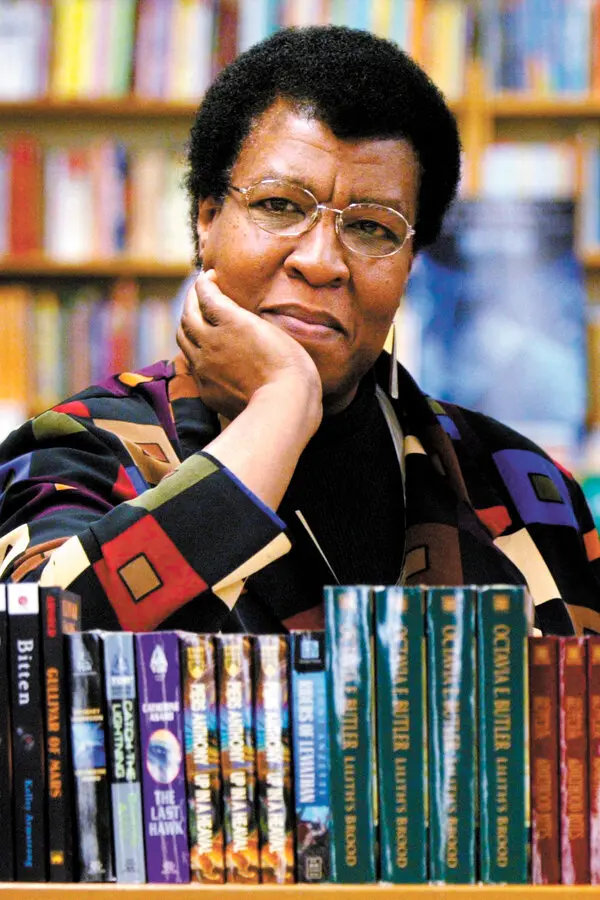
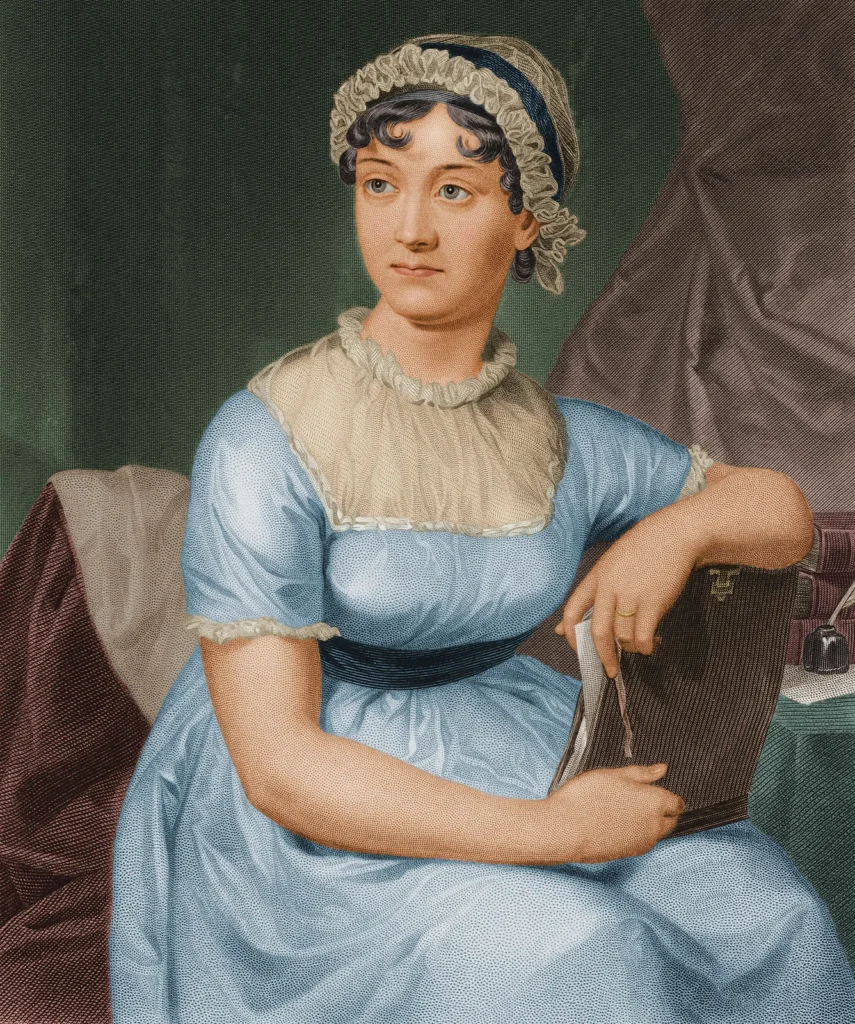
For writers, artists, and creative entrepreneurs and especially women building something of their own, feminist literature offers more than theory. It offers permission.
Permission to centre your voice.
Permission to write female characters who are contradictory.
Permission to interrogate romance tropes.
Permission to critique beauty culture.
Permission to be intellectually serious without apology.
Feminist literature reminds us that storytelling isn’t neutral. It shapes imagination. And imagination shapes possibility.
In 2026, feminist literature still matters because the story is still being written.
Not just on the page, but in boardrooms, bedrooms, classrooms, and publishing houses.
As long as power is uneven, as long as desire is policed, as long as women’s interior worlds are dismissed as niche…
…feminist literature will remain essential.
Not as a trend.
But as a living archive and ongoing argument.

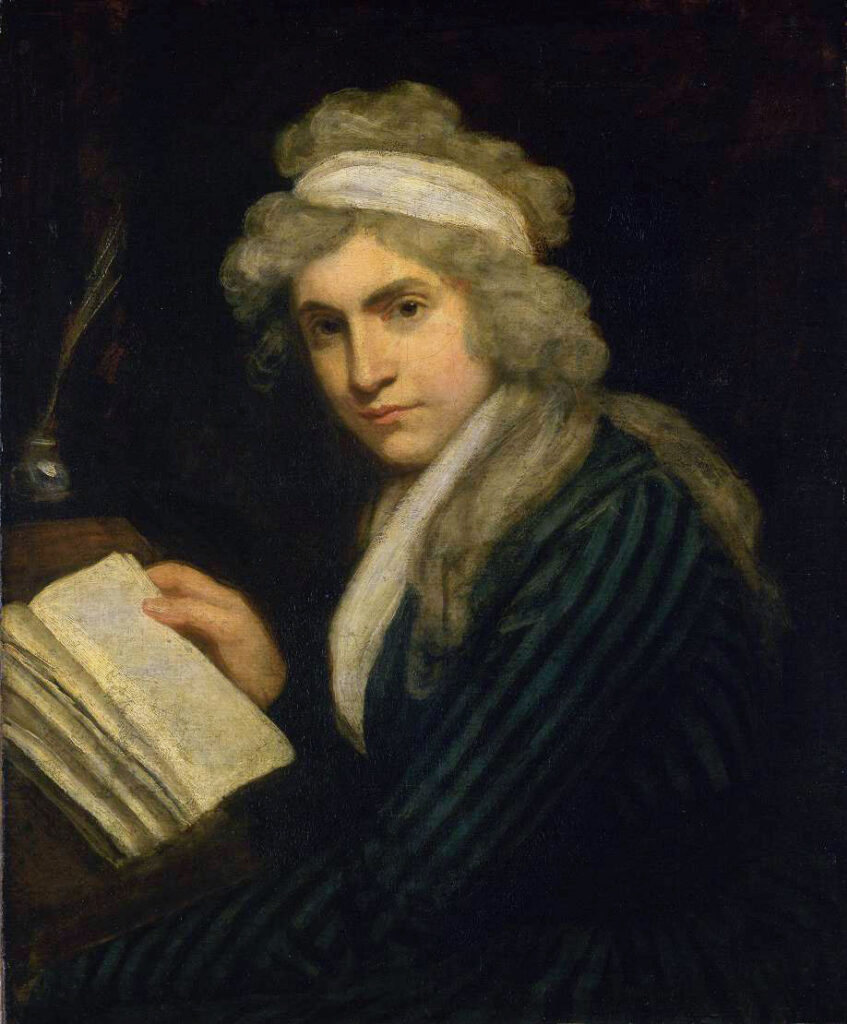
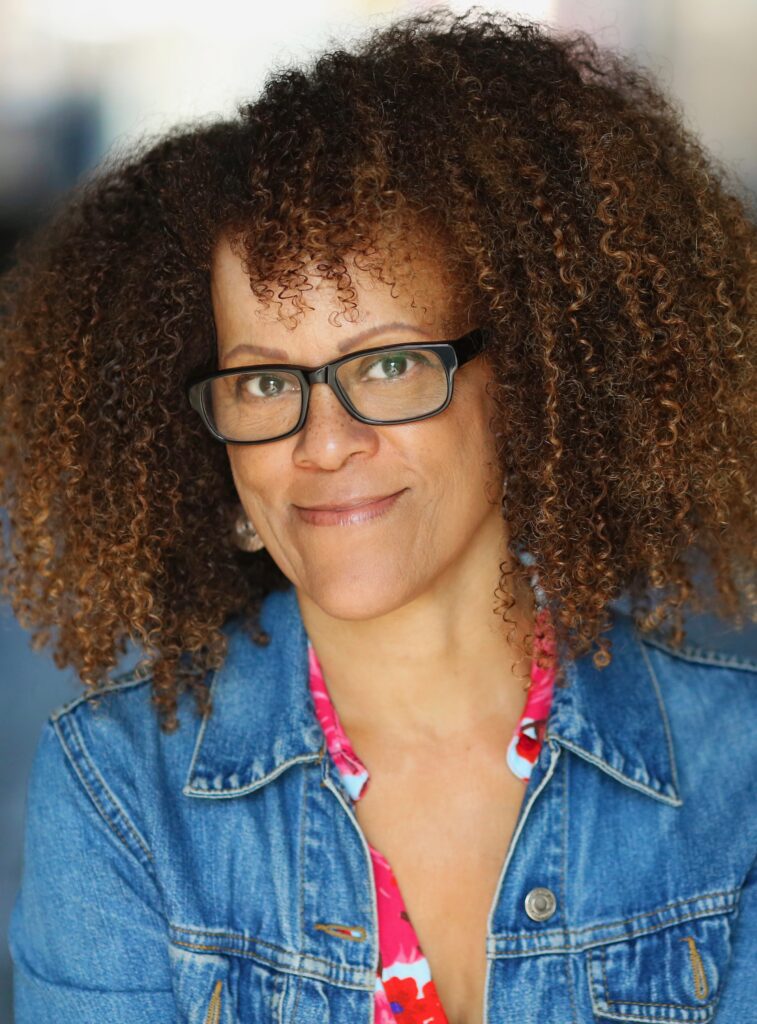
As we celebrate the launch of The Feminine Edit and honour Women’s History Month, the continued relevance of feminist literature becomes abundantly clear. It’s not a relic. It’s not trend-driven, but a living archive, ongoing argument, and quiet resistance.
It matters in 2026 because the story is still being written.
On the page, in our offices, in our homes, and in our collective consciousness.
And every new reader, writer, and voice contributes to that story, expanding what is possible for women now and for generations to come.
If you enjoyed this post, you might like The Language of Love: Women Writers Who Redefined Romance.
See you in the next one!
– Bibi x