The Bibi Edit
Stories, Style & Substance
Stories, Style & Substance
Stories, Style & Substance

Very few actors in modern cinema can embody intensity the way Al Pacino does. From his first appearance as Michael Corleone in The Godfather (1972) to his later work in The Irishman (2019) and Hunters (2020), Pacino’s career has been a study in emotional extremes, transformation, and the art of fully embodying a character. His evolution as an actor is not just a timeline of films, but a journey through the psychology of human obsession, power, and vulnerability.
And wow, have we been taken for a ride.
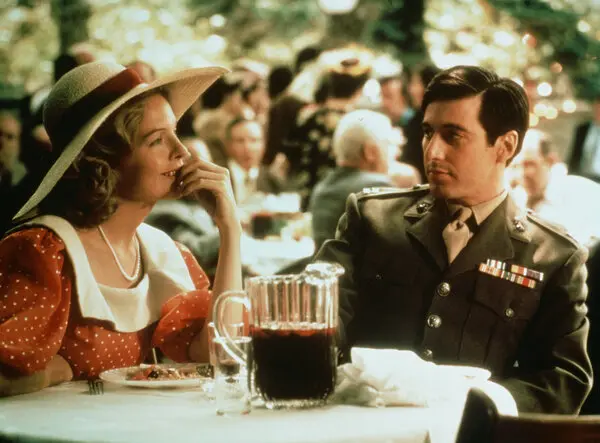
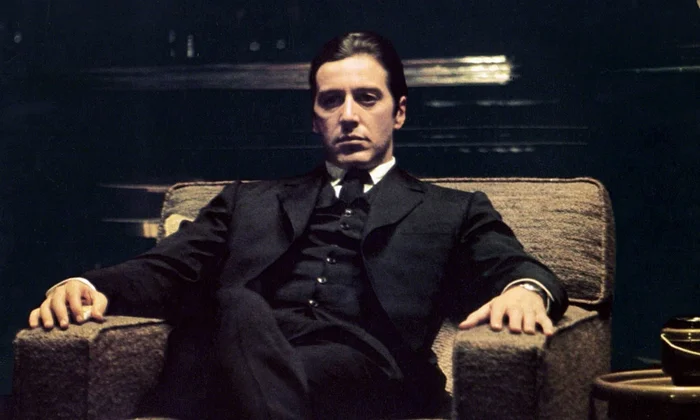
Al Pacino emerged from the HB Studio and Actors Studio, trained in method acting, with a hunger to portray authenticity and intensity. His first major role as Michael Corleone shocked audiences; a reserved, intelligent young man who gradually transforms into a ruthless crime lord. In The Godfather, Pacino’s performance is a masterclass in subtlety: a glance, a pause, a soft-spoken word carrying the weight of years of ambition and moral compromise. Here, Pacino’s intensity is internal; controlled, simmering, almost imperceptible until it suddenly erupts.
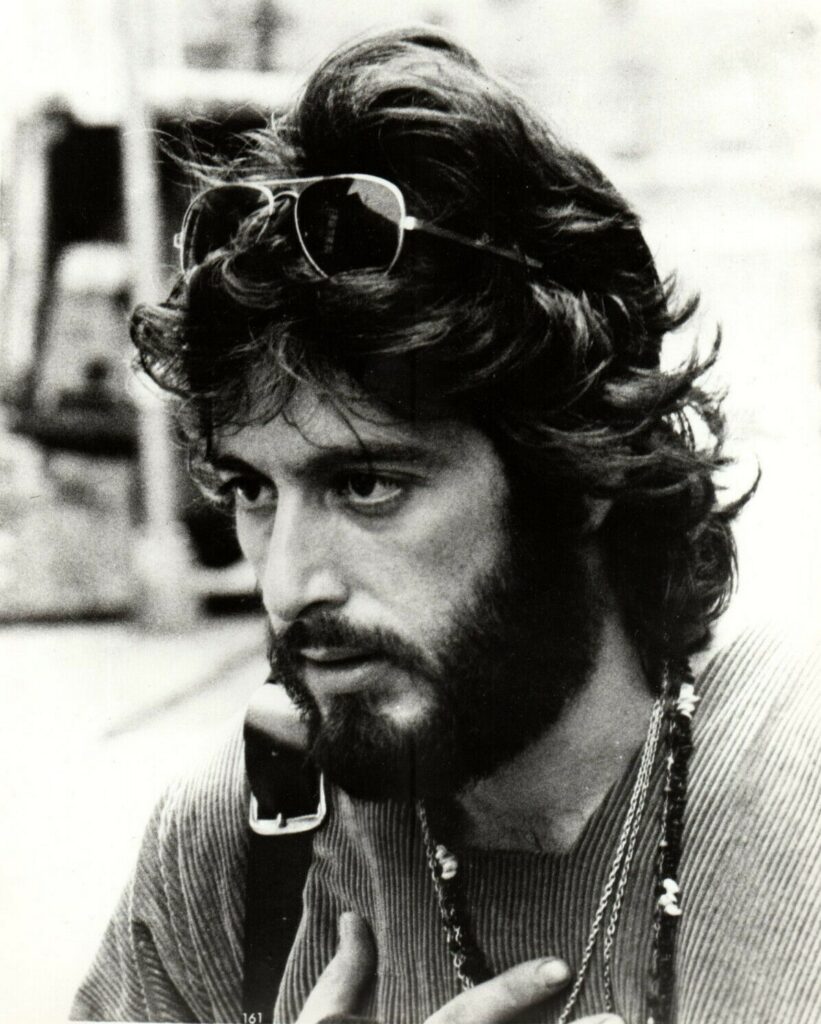
Following The Godfather, Pacino continued to explore moral and social conflict. In Serpico (1973), he plays a whistleblower battling systemic corruption within the New York City Police Department, his righteous anger combined with palpable vulnerability. Pacino’s energy is more volatile here because he’s not just a quietly calculated force; he’s a man consumed by justice and frustration, creating a more explosive emotional palette.
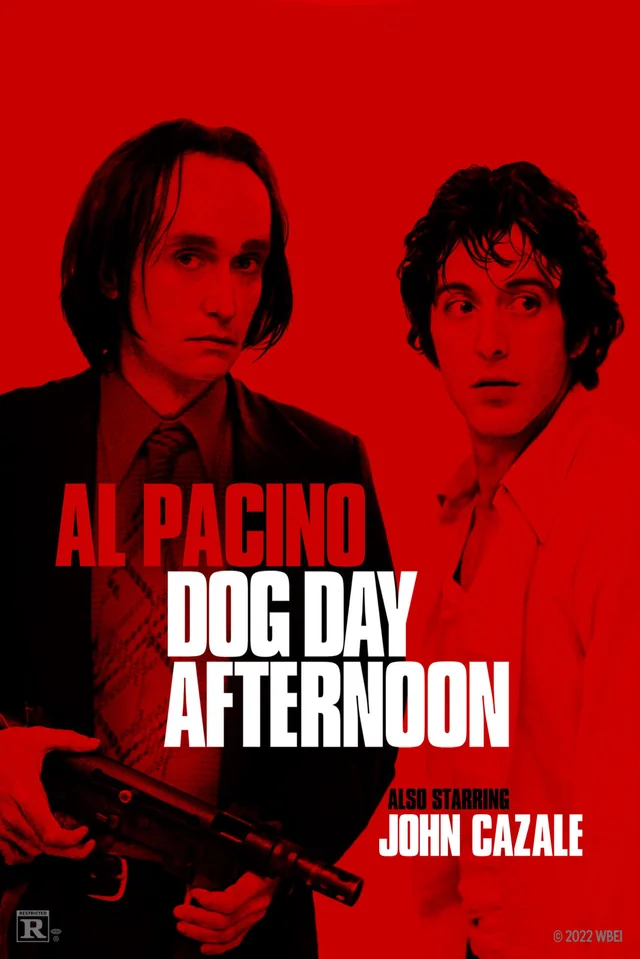
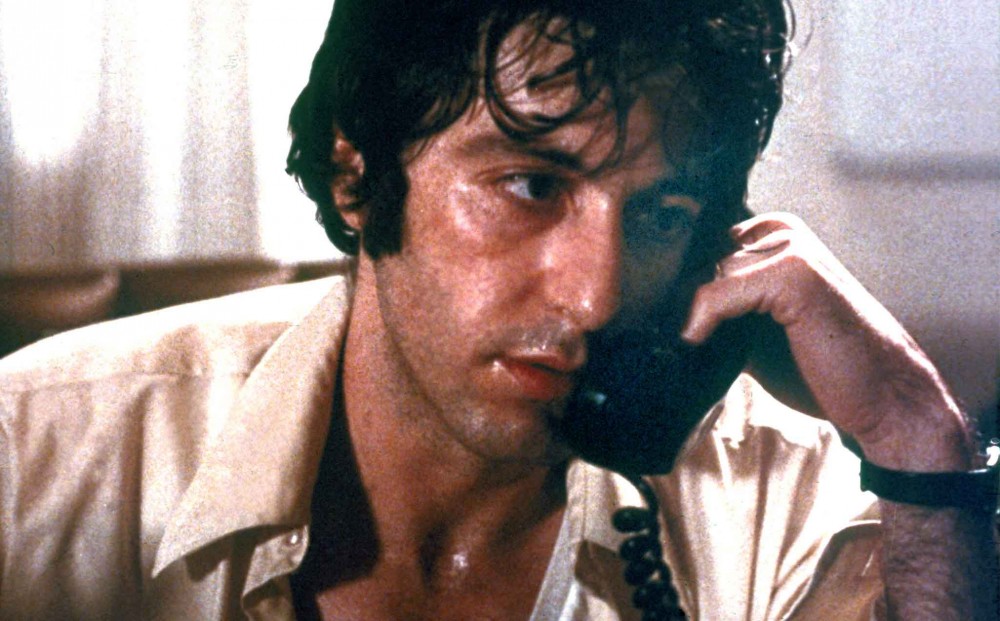
The 1970s and 1980s marked Pacino’s evolution into a magnetically unpredictable actor. Dog Day Afternoon (1975) showcased his talent for blending chaos with charm. A bank robbery framed as a human drama, where Pacino’s Sonny Wortzik is equal parts desperate, charismatic, and tragic.
Then.
Came.
Scarface.
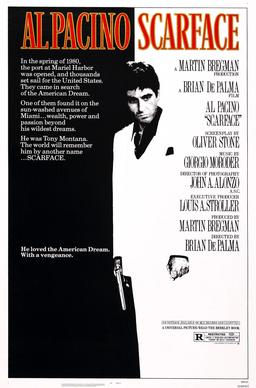
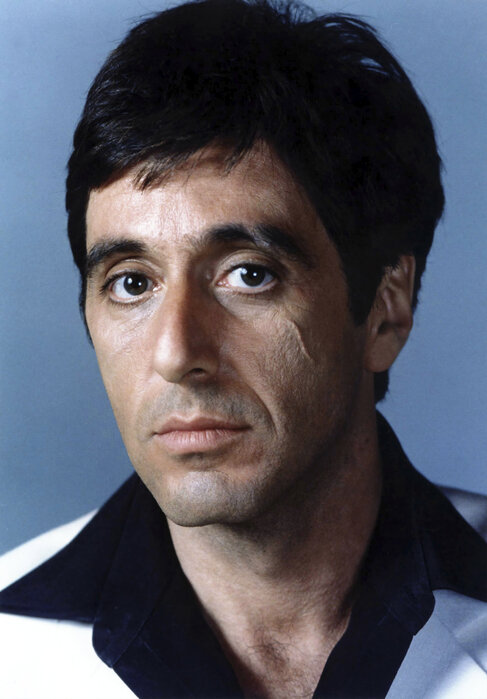
Scarface (1983), arguably Pacino’s most flamboyant performance is definitely something that you can never forget.
Tony Montana is vulgar, ruthless, and yet mesmerising. Pacino’s explosion of charisma and energy defines the era.
This period highlighted a key aspect of his evolution: Pacino’s emotional boldness. Where earlier roles depended on subtlety and suggestion, his later performances demanded attention, almost daring the audience to blink.
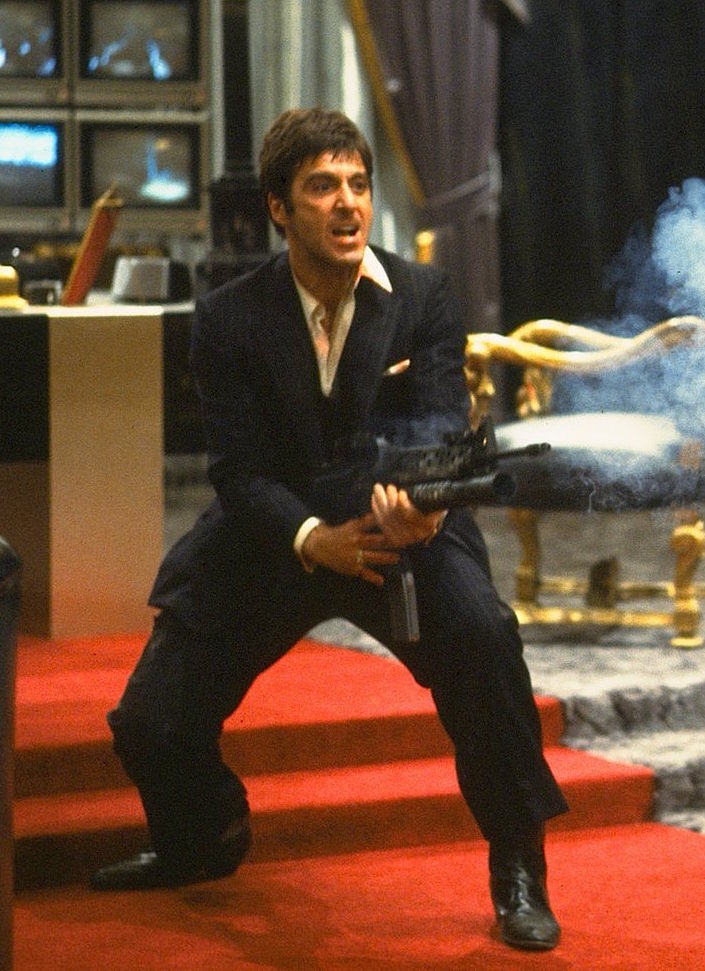
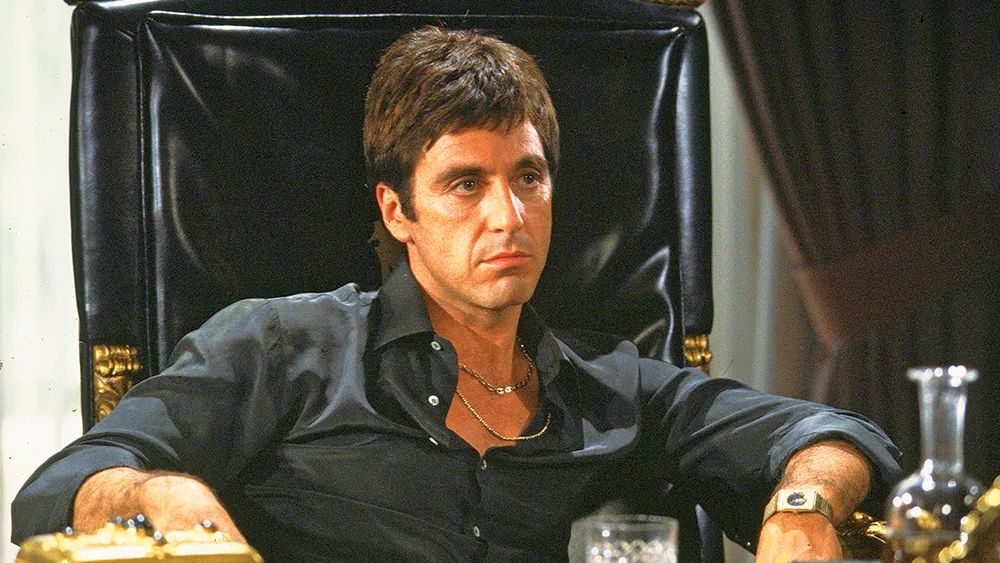
He became a living embodiment of obsession; whether ambition in Scarface, moral fury in Serpico, or power in The Godfather Part II (1974).
Pacino’s evolution isn’t just about energy.
It’s also about precision.
His method acting foundation allows him to channel raw emotion into deliberate, almost musical performance.
His voice, which is a tool as expressive as his eyes, conveys tension, charm, or menace in the space of a single line.
Sometimes it can be all three.
Unlike many contemporaries, Pacino blends theatricality with psychological realism, giving his characters a sense of unpredictability rooted in truth.
Even when explosive, Pacino’s characters remain so beautifully human. He doesn’t simply shout; he communicates inner conflict, ethical struggle, and existential anxiety. In The Godfather series, this duality is clear: Michael Corleone is both monster and victim, Pacino turning silence and glances into moral meditation.
In his later work, Pacino has embraced reflection and nuance. Roles in The Irishman (2019) and Hunters (2020) show an actor who can still command presence without dominating the frame. Age and experience have tempered his fire, turning it into smouldering intensity. Still unpredictable, but layered with regret, history, and wisdom. Even subtle movements carry decades of accumulated emotion, and his eyes retain the same power that captivated audiences decades ago.
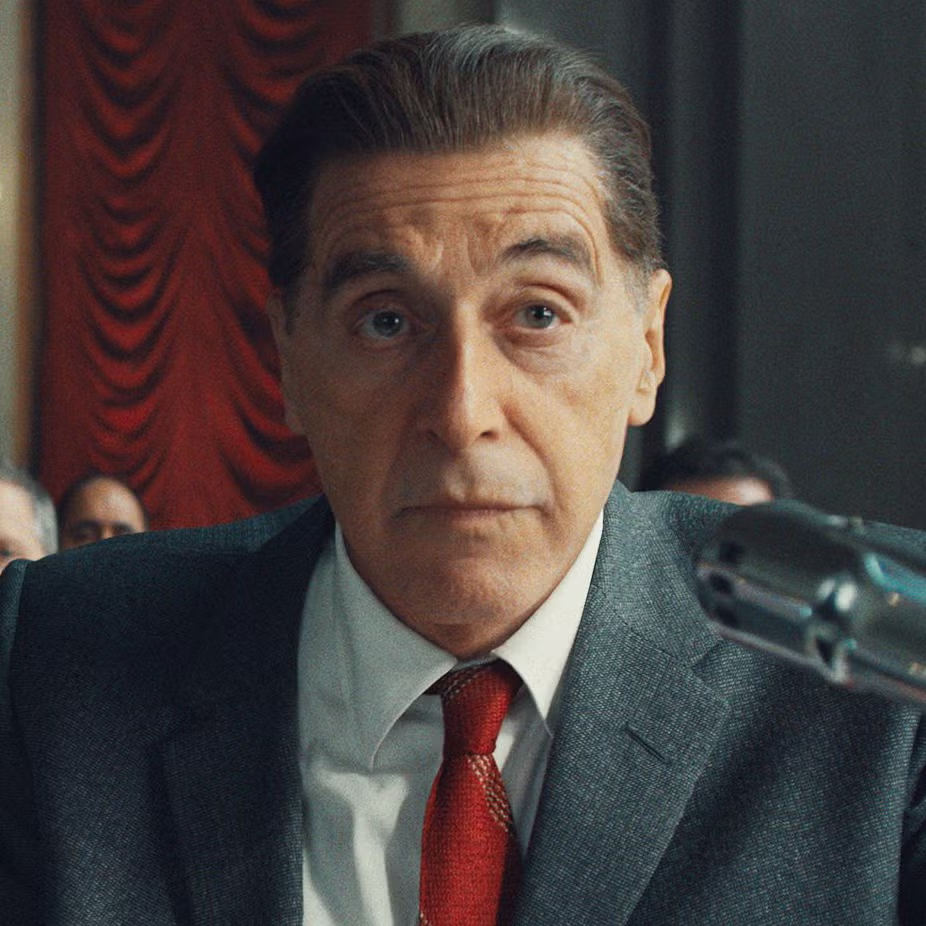
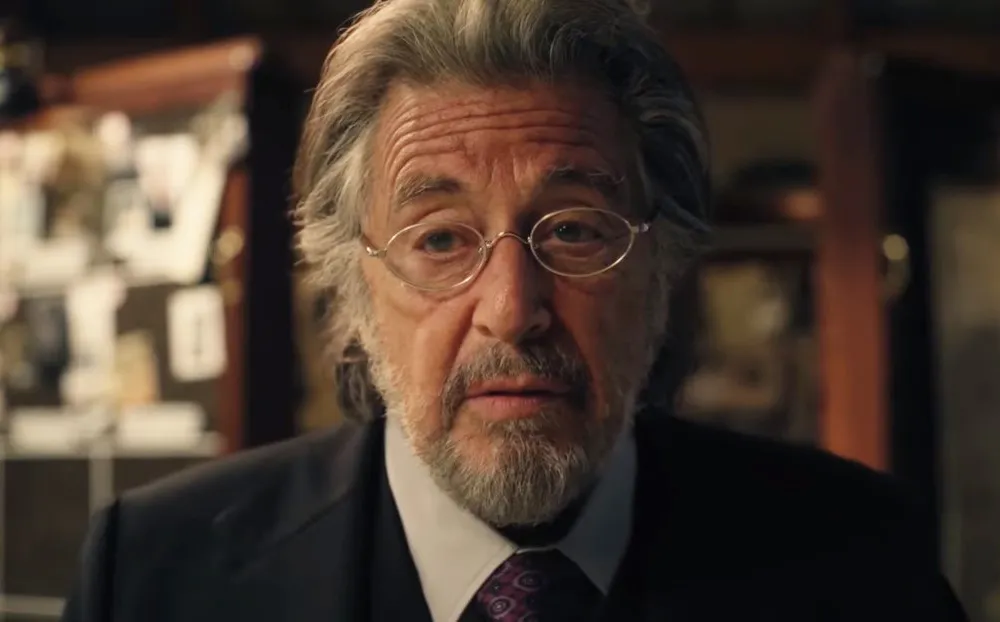
Pacino’s evolution reveals a rare combination…
…the ability to transform intensity into art.
He moves seamlessly between control and chaos, inward reflection and explosive expression. His career demonstrates that charisma, when fused with technical skill, can transcend era, genre, and narrative. Pacino’s characters remain compelling because they feel alive.
Unpolished, flawed, and fully human.
Al Pacino’s journey is a study in contrast and growth.
From the controlled, calculating Michael Corleone to the incendiary Tony Montana, and finally to the reflective, haunted figures of his later years, Pacino proves that intensity is not a single mode, but a spectrum.
He has shown generations of actors that emotional truth, disciplined technique, and fearless exploration of character are inseparable. Watching Pacino is to witness a life’s work in motion; a brilliant, unpredictable, and utterly captivating evolution of human emotion on screen.
Intensity lingers long after the scene ends. In these essays, we’ve stepped into the fire of cinematic brilliance — from legends to rising stars — and witnessed how presence, volatility, and control shape the art we can’t look away from. Until the next frame, keep watching, feeling, and thinking like a cinephile.
For a side-by-side look at how Pacino and De Niro shaped modern cinematic intensity, see our comparative essay De Niro & Pacino: The Art of Intensity in Modern Cinema.
– Bibi x