The Bibi Edit
Stories, Style & Substance
Stories, Style & Substance
Stories, Style & Substance

There aren’t many actors that act with as much intensity as Robert De Niro. From his early collaborations with Martin Scorsese to his more reflective roles later in his career, De Niro’s career is a perfect lesion in transformation, restraint and psychological depth. His growth as an actor demonstrates a unique master of silence, body language and the simmering undercurrents of emotion that define modern cinematic realism.
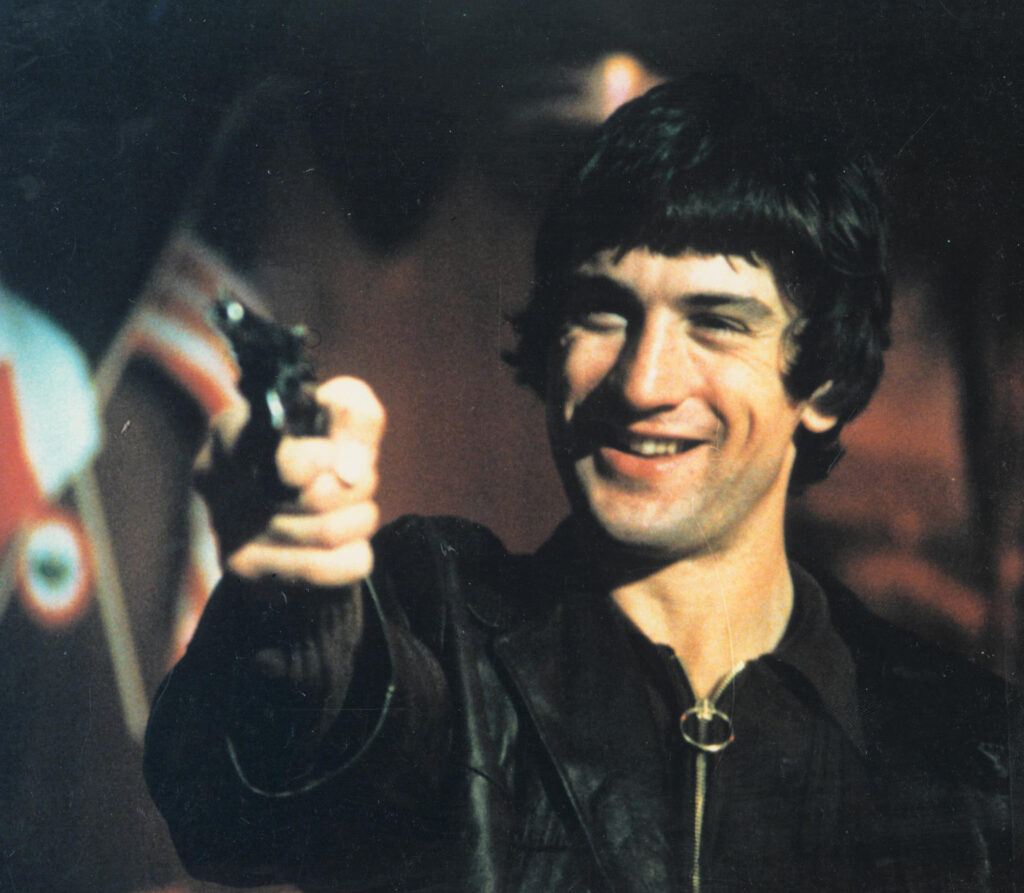

De Niro’s journey started with method training, studying at the Actor’s Studio, under Stella Adler and Lee Strasberg. His commitment to authenticity was evident even in his early roles like Bang the Drum Slowly (1973) and Mean Streets (1973). Even in supporting roles, De Niro had such a palpable sense of presence, a quiet power that would then become his trademark.
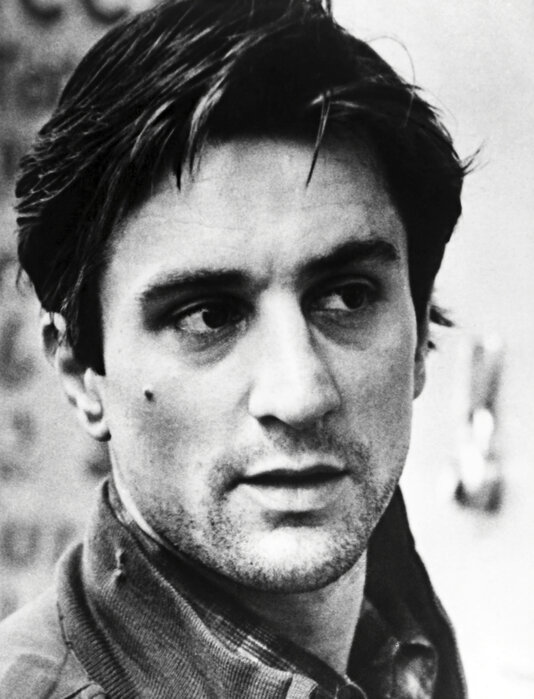
De Niro’s breakthrough came with Taxi Driver (1976), where he portrayed Travis Bickle, a loner who spirals into an obsession and violence after becoming disillusioned with society. Here, his acting is very subtle yet intense. The quiet, monotonous tone, the piercing gaze, the obsessive ritual of training and diary entries. Bickle’s unpredictability doesn’t lie in loud emotion, but in the threat that simmers underneath the control.
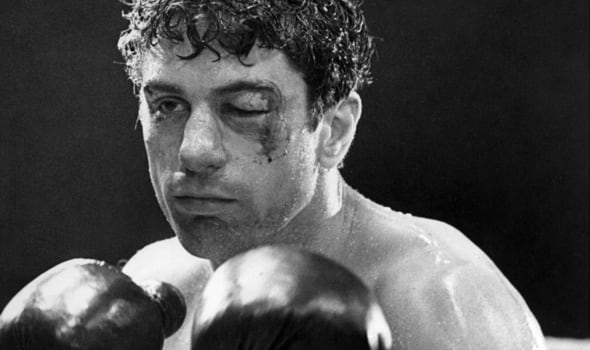
In Raging Bull (1980), De Niro’s commitment to transformation became something to be admired. He gained and lost weight to embody the role of boxer Jake LaMotta, and through every physical alteration and movement, he evoked rage, vulnerability and self-destruction. In contrast to theatrical flamboyance, De Niro’s intensity is measured, controlled, and absolutely devastating because it is so grounded in realism.
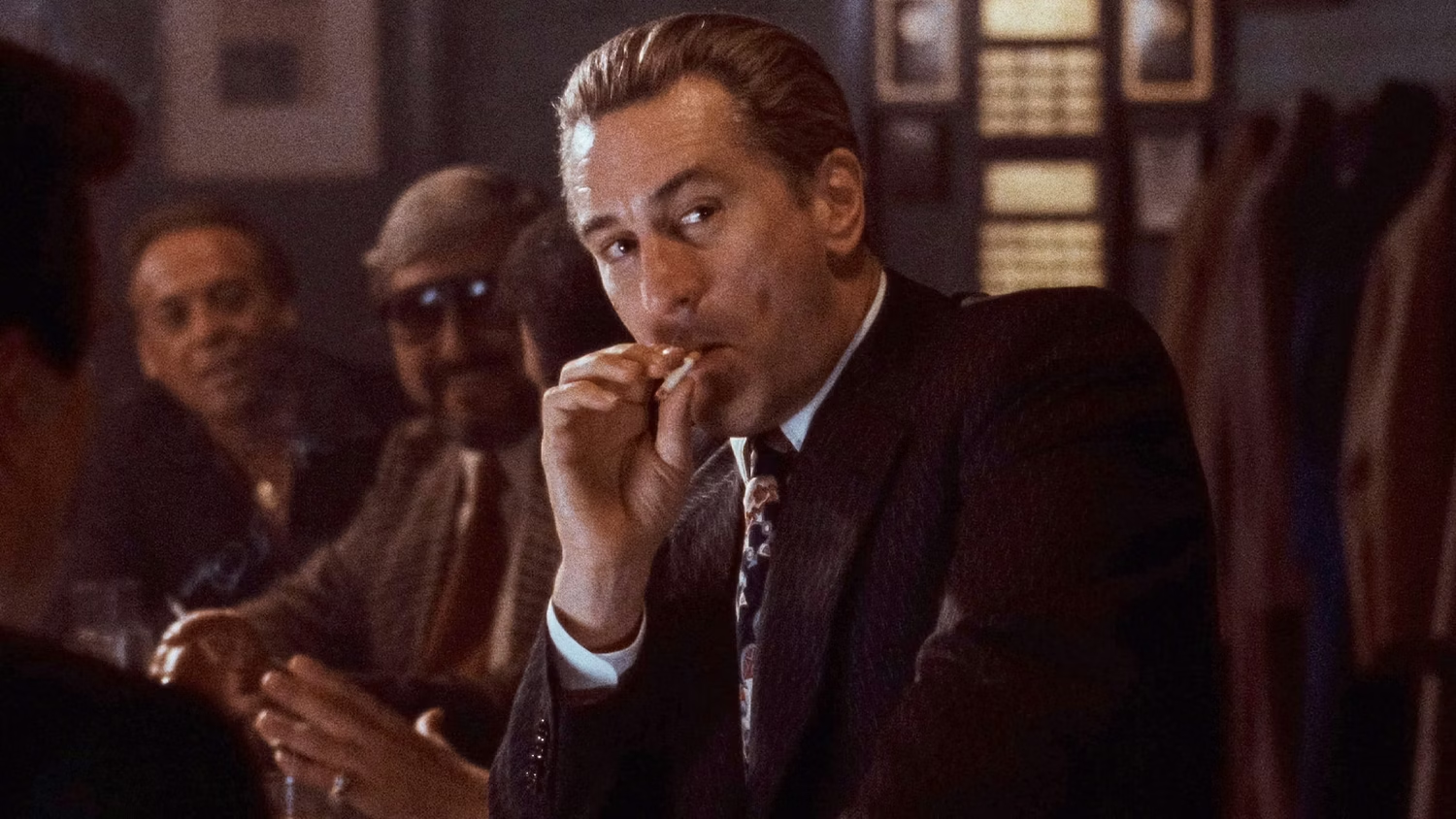
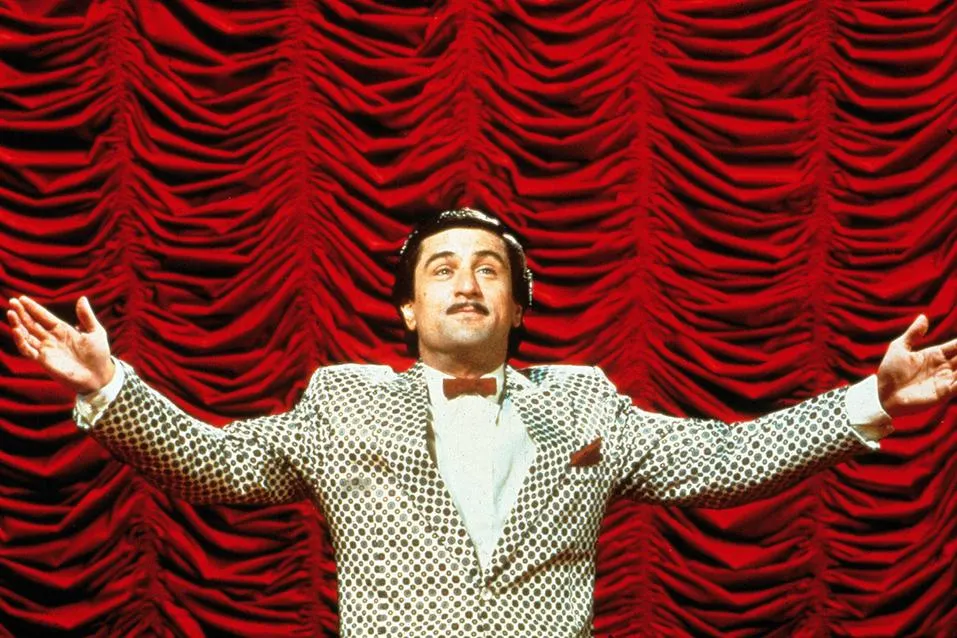
Throughout the 1980s and 1990s, De Niro further developed his ability to portray both menace and nuance. In The King of Comedy (1983), he plays Rupert Pupkin, a delusional aspiring comedian whose danger is masked under layers of charm. In Goodfellas (1990), his Jimmy Conway portrayal exudes quiet authority; every smile or casual gesture hides calculated intent. The main area where De Niro thrives besides all of his other talents is his unpredictability while showing restraint. Audiences can sense the storm before it arrives, yet never fully see it coming.
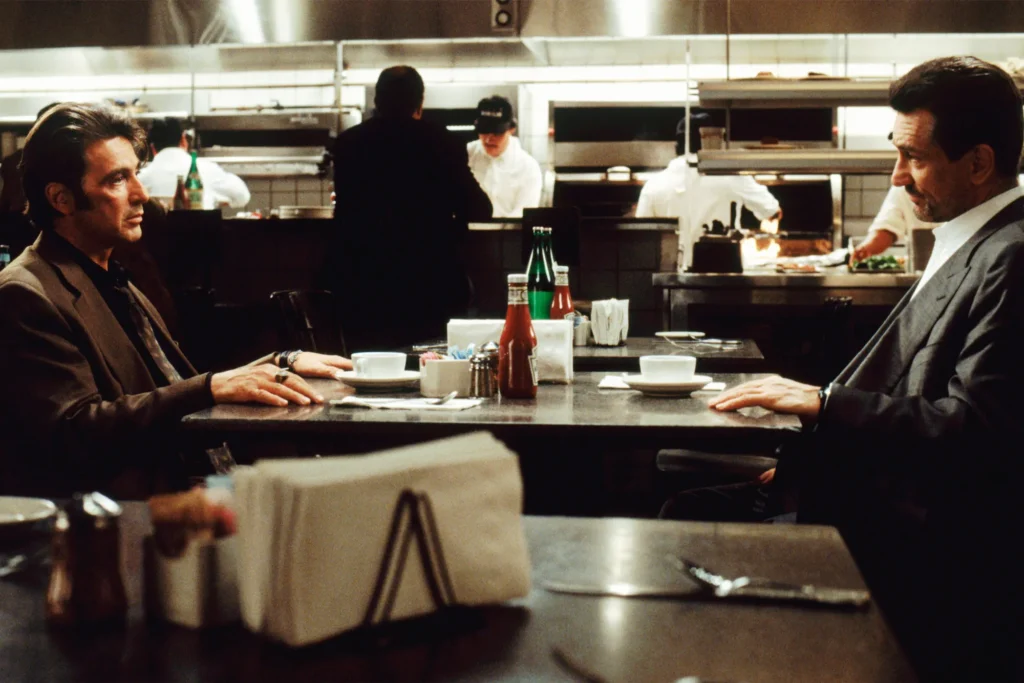
His legendary pairing with Al Pacino in Heat (1995) solidifies this finding. In his role as the disciplined Neil McCauley, De Niro’s calm precision is the antithesis of Pacino’s explosive energy, creating a cinematic tension on an intellectual and visceral level. The famous diner scene demonstrates the power of silence and controlled gaze, showing that intensity doesn’t always require shouting or dramatic gestures.
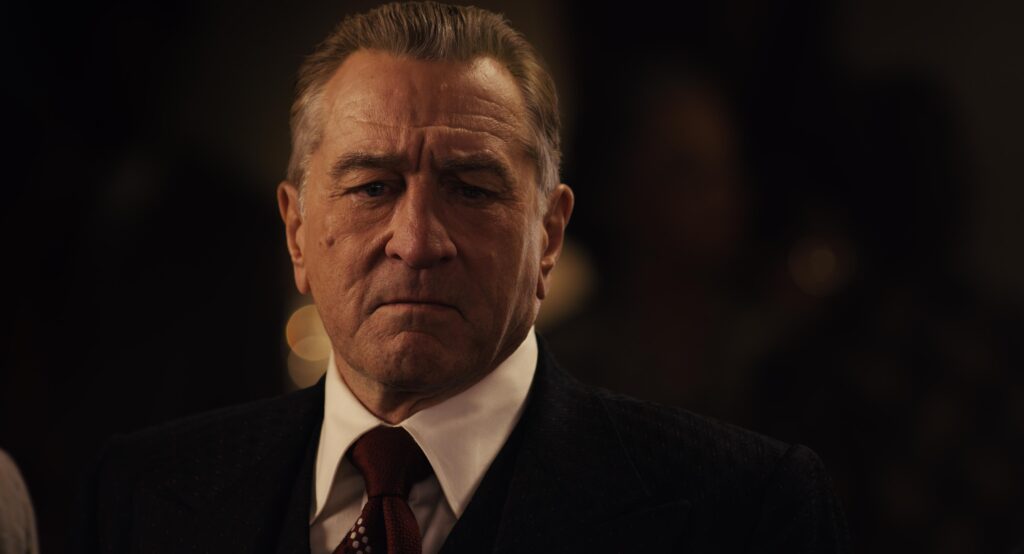
In later years, De Niro has embraced reflective, layered roles, such as Frank Sheeran in The Irishman (2019). Here, his intensity is layered with introspection, depicting a man who is haunted by his past choices. Even as his movements slow, his gaze remains magnetic as ever, showing but not telling, revealing the inner turmoil of decades spend navigating violence, loyalty and moral compromise.
De Niro’s evolution shows a shift from raw, transformative energy (gaining and losing weight, adopting different dialects, or perfecting physicality) to a more nuanced mastery of presence, expression and the power of unspoken emotion.
What defines De Niro is the paradox of his intensity.
He is both explosive and restrained, chaotic and precise. He shows us that suspense and psychological tension can be conveyed as effectively in a whisper or a glance as in overt outburst. De Niro has shaped generations of actors by proving that emotional truth lies in meticulous observation, immersive preparation, and commitment to character beyond the superficial.
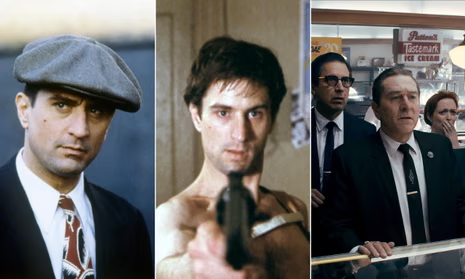
Robert De Niro’s career has been a journey of controlled intensity. From Travis Bickle’s obsessive isolation to Neil McCauley’s calculated precision and Frank Sheeran’s reflective regret, De Niro exemplifies how restraint, psychological depth and technical mastery create performances that are both timeless and unforgettable. His remarkable evolution reveals an actor who has continuously refined his craft, proving that true power often lie in the quiet storm under the surface.
Intensity lingers long after the scene ends. In these essays, we’ve stepped into the fire of cinematic brilliance — from legends to rising stars — and witnessed how presence, volatility, and control shape the art we can’t look away from. Until the next frame, keep watching, feeling, and thinking like a cinephile.
De Niro’s career is best appreciated alongside his longtime cinematic counterpart. Read our joint essay on De Niro & Pacino for a full view of their combined impact.
– Bibi x