The Bibi Edit
Stories, Style & Substance
Stories, Style & Substance
Stories, Style & Substance



John Boyega’s presence on screen is impossible to ignore.
Not because he commands it, but because he earns it.
From his breakout in Attack the Block to his seismic performance in Small Axe: Red, White and Blue, Boyega has built a career that bridges rebellion and reverence.
He represents a generation of actors for whom performance is both protest and prayer; a reclamation of agency through art.
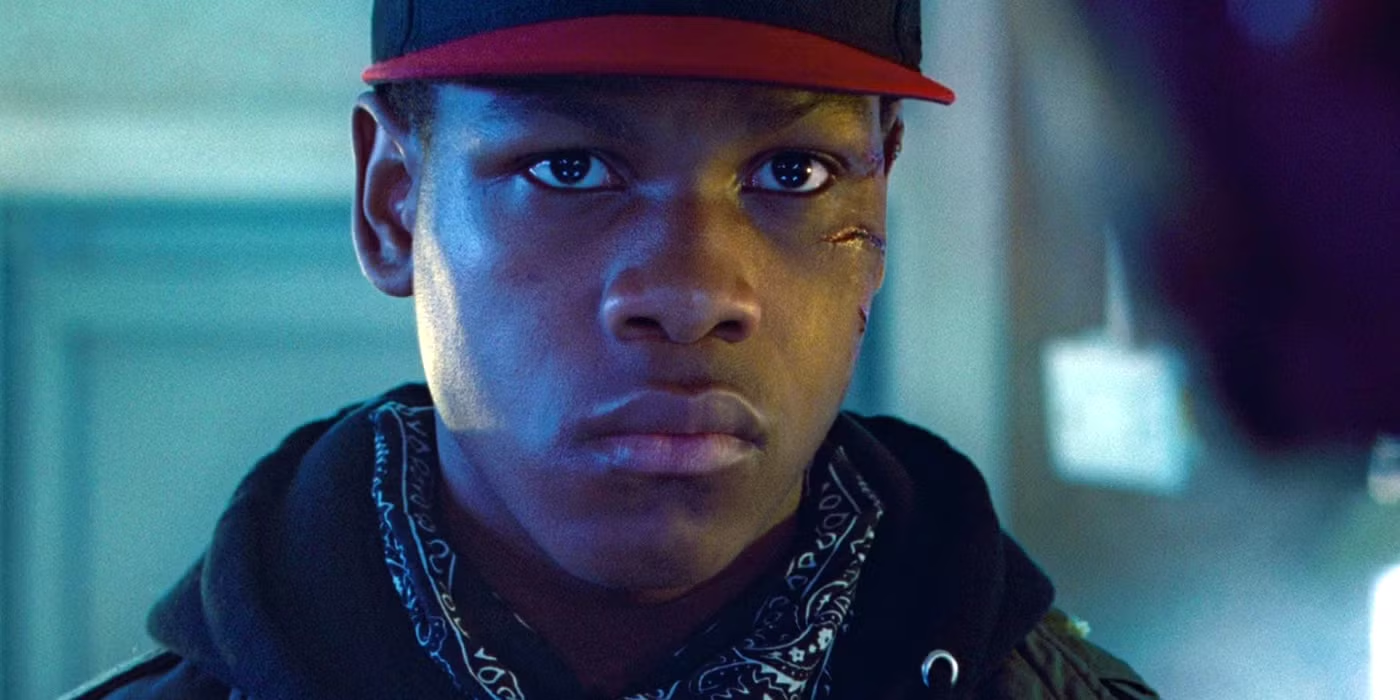
Born and raised in Peckham, Boyega’s beginnings mirror the stories he now tells: grounded in community, driven by purpose. When he emerged in 2011’s Attack the Block, wielding charisma and conviction in equal measure, it was immediately clear that this was no ordinary debut. His Moses was a reluctant hero, fierce, funny, and profoundly human, the kind of character who defied the limits often placed on young Black British men in cinema.
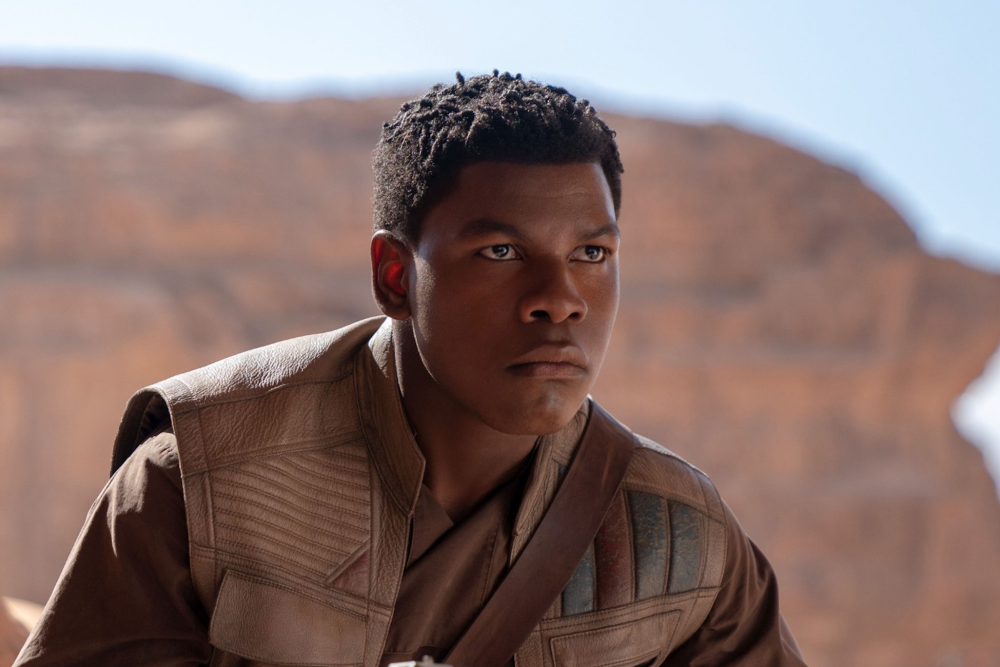

Hollywood came calling soon after, and Star Wars made him a household name. Yet even within that galaxy far, far away, Boyega never lost his sense of self. Finn wasn’t just another sci-fi archetype; through Boyega’s eyes, he became a man seeking belonging, purpose, and freedom. It was a performance of nuance beneath spectacle.
One that revealed Boyega’s ability to find humanity even in the most commercial of roles.
But it was Steve McQueen’s Small Axe anthology that revealed his full range. As police officer Leroy Logan in Red, White and Blue, Boyega gave a performance of contained fury, that showed a man torn between duty and identity, love and betrayal. The role earned him critical acclaim not just for what he said, but for what he didn’t. Every silence vibrated with conviction.
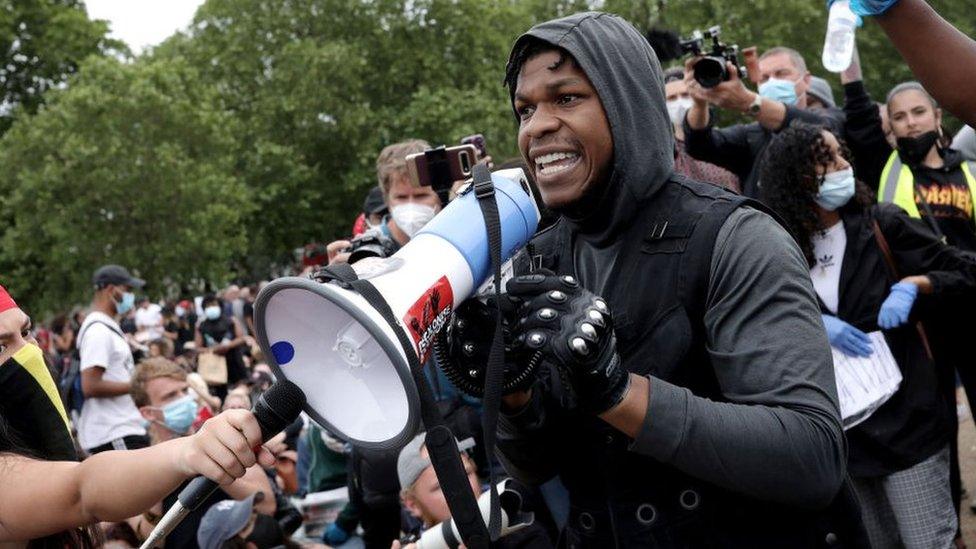
Off-screen, Boyega’s activism cemented his place as one of the most compelling figures in contemporary cinema. His 2020 Hyde Park speech, raw and unfiltered, echoed the very courage he channels in his work; the belief that truth, once spoken, cannot be silenced. In doing so, he expanded the boundaries of what it means to be an actor today: not merely a performer, but a participant in history.
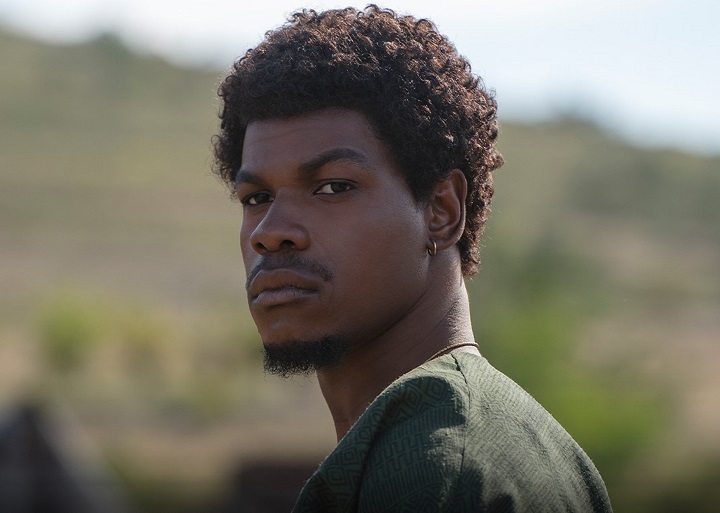

If Daniel Kaluuya is the quiet philosopher and Gabriel Basso the contemplative realist, then John Boyega is the conscience. The actor who transforms anger into art, and vulnerability into vision. His evolution is not defined by the scale of his roles, but by the integrity of his choices. Each performance feels like an act of reclamation; of self, of story, of space.
Boyega stands at the intersection of courage and craft. In his voice, there’s fire. In his silence, there’s strength. And in his journey, there’s a blueprint for what the future of film can look like when authenticity leads the way.
Intensity lingers long after the scene ends. In these essays, we’ve stepped into the fire of cinematic brilliance — from legends to rising stars — and witnessed how presence, volatility, and control shape the art we can’t look away from. Until the next frame, keep watching, feeling, and thinking like a cinephile.
Like Daniel Kaluuya, Boyega brings a quiet emotional precision to his performances, grounding even the most complex roles in truth.
– Bibi x