The Bibi Edit
Stories, Style & Substance
Stories, Style & Substance
Stories, Style & Substance

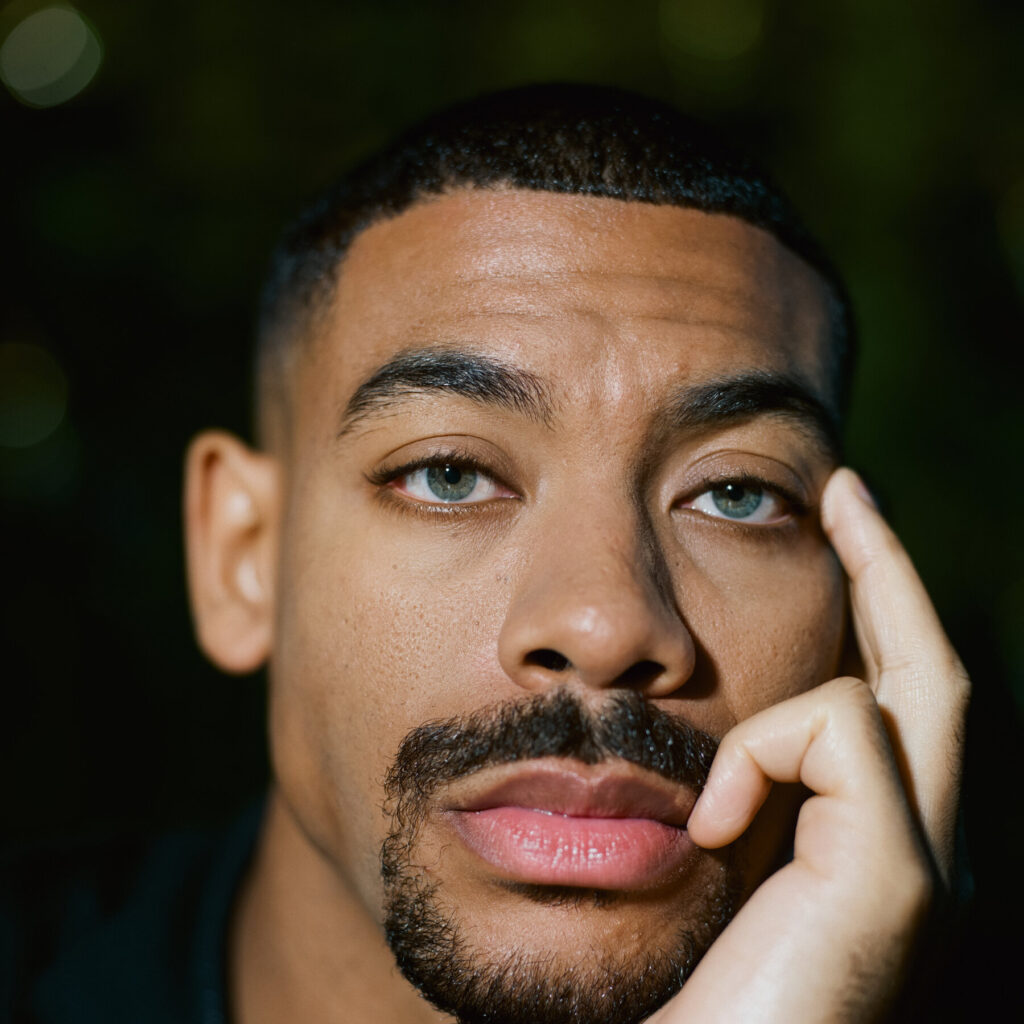
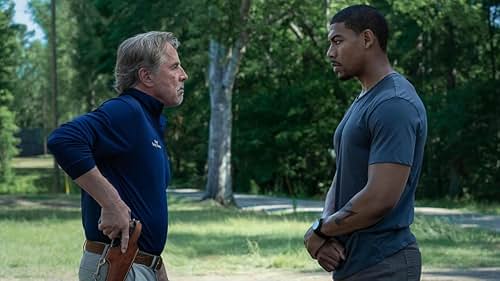
Aaron Pierre doesn’t simply enter a scene…
…he arrives with reverence.
Every movement, every glance, feels intentional, almost choreographed in emotional truth.
He is one of those rare actors whose stillness is not emptiness but electricity.
A quiet current that charges the entire frame.
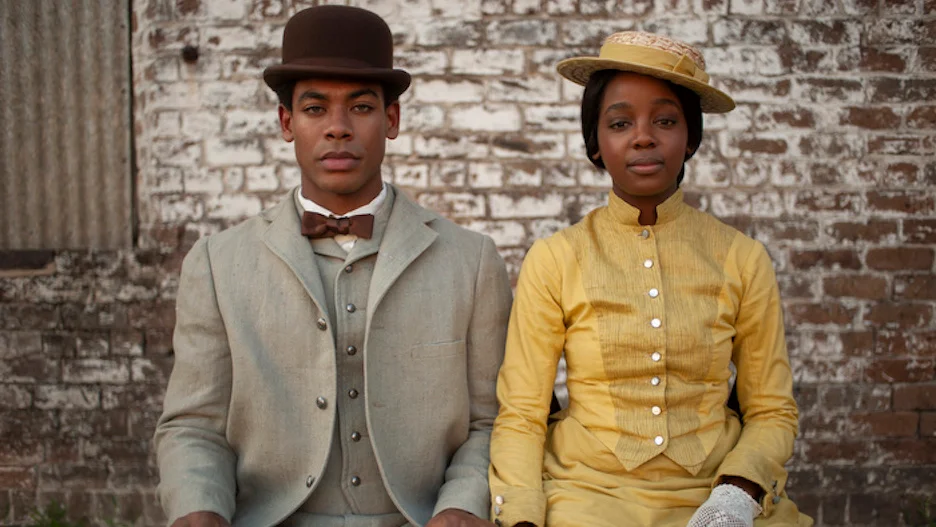
Born and raised in South London, Pierre’s journey from theatre to global cinema reflects a lineage of British actors who treat performance as invocation rather than imitation. In Barry Jenkins’s The Underground Railroad, his portrayal of Caesar was tender yet defiant, a study in how love can exist in the midst of terror. His silences served as sermons; heavy with the unspoken history of displacement and hope. He’s part of a new British generation (alongside Daniel Kaluuya and Damson Idris) proving that emotional literacy is the new power move.
Pierre’s performances are sculptural: carved from restraint, vulnerability, and mythic presence. In Brother (2022), he transformed grief into something transcendent, a language of loss and love that didn’t require any words. His portrayal of Francis is devastating in its tenderness. He doesn’t just play the role; he inhabits its contradictions. His character is a protector, a dreamer, a casualty of circumstance. His face became the text, his pauses the punctuation. Like Daniel Kaluuya, he operates in emotional precision, yet where Kaluuya dissects the soul, Pierre chants it.
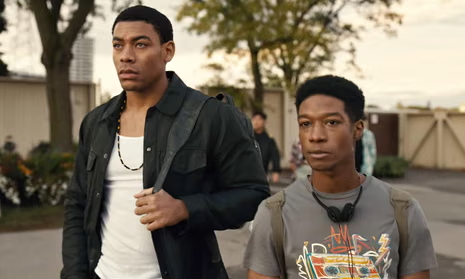
What distinguishes Pierre is his ability to make vulnerability monumental. He is not performing emotion; he is hosting it, allowing the audience to witness the tremor beneath composure. Pierre’s performances often explore a specific kind of Black masculinity — one defined not by hardness but by sensitivity, memory, and the body’s unspoken grief. This quality places him in the lineage of actors like Jeffrey Wright, Mahershala Ali, and even a young Denzel Washington, whose strength was defined not by dominance but by depth.
Pierre represents a generation of artists who are reimagining what masculinity looks like on screen: empathetic, layered, unguarded. His characters do not need to prove power; they possess it quietly, through grace and gravity.
As he moves further into leading roles, from the mythic (Mufasa: The Lion King) to the metaphysical (Foe), Pierre continues to blur the boundary between theatre and cinema, realism and reverence. His voice alone, resonant and deliberate, feels like a call to listen; not just to him, but to the silences he leaves behind.
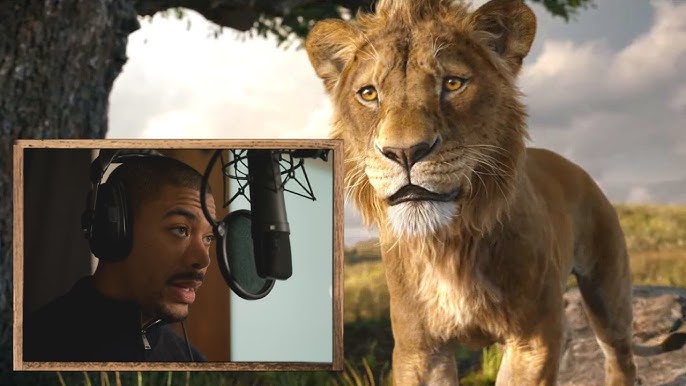
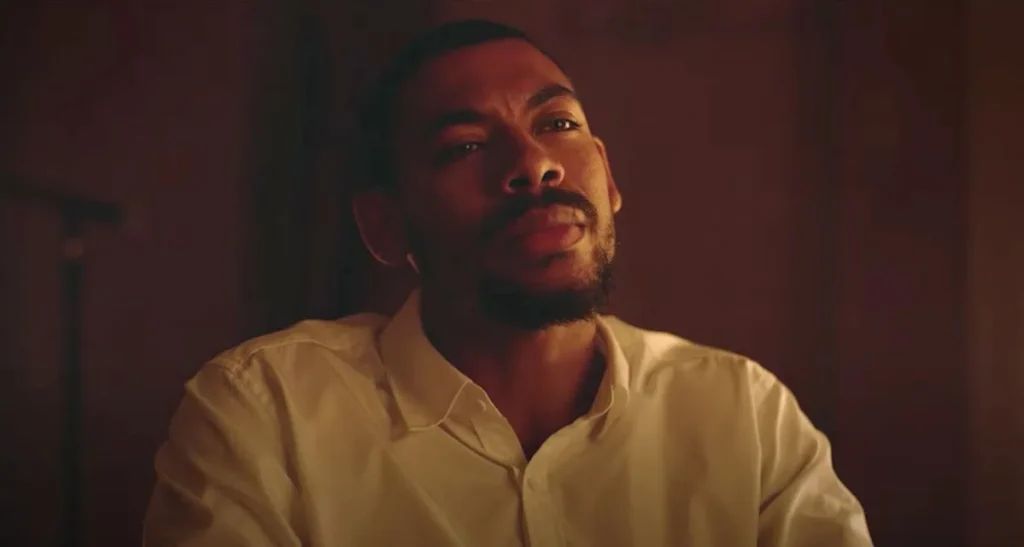
If Boyega burns, Kaluuya calculates, and Basso endures, then Pierre illumines. His gift lies in making the invisible visible, such as emotion, memory, soul. The screen doesn’t just capture him.
It breathes differently because he’s in it.
Aaron Pierre isn’t just an actor to watch… he is an artist to witness.
His evolution signals a quieter revolution in storytelling, where presence becomes poetry, and truth speaks not through noise, but through nuance.
His screen presence bridges worlds — stage and cinema, Black British identity and universal emotion, fury and forgiveness.
In a world of noise, Aaron Pierre’s stillness speaks volumes.
Intensity lingers long after the scene ends. In these essays, we’ve stepped into the fire of cinematic brilliance — from legends to rising stars — and witnessed how presence, volatility, and control shape the art we can’t look away from. Until the next frame, keep watching, feeling, and thinking like a cinephile.
Aaron Pierre channels a new generation of intensity that builds on cinematic giants — explore De Niro, Pacino, and Kaluuya.”
– Bibi x