The Bibi Edit
Stories, Style & Substance
Stories, Style & Substance
Stories, Style & Substance

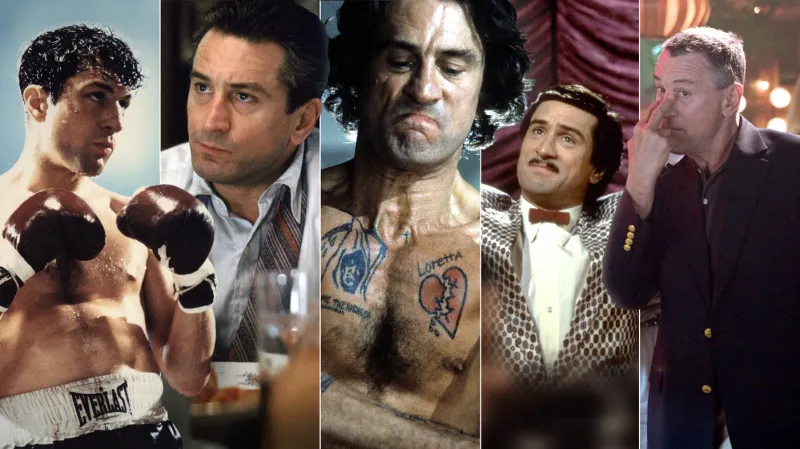
Intensity has always been cinema’s most dangerous currency. It is the force that unsettles, electrifies, and lingers long after the credits roll. From the volatile brilliance of De Niro and Pacino to the modern psychological immersion of today’s rising stars, this series has explored actors who do not simply perform emotion — they weaponise it. They enter a scene like a storm, commanding attention, bending silence, and leaving something fractured in their wake.
There was a time when intensity meant explosion.
When to be seen was to shout, to fill the screen with fire and fury.
But cinema, like life, evolves. Today, the most powerful performances often whisper instead of roar. They live in the breath between sentences, in the spaces where emotion lingers long after the credits roll.
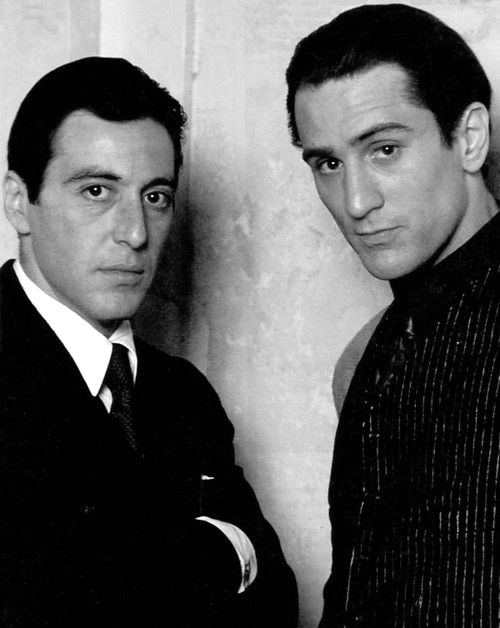
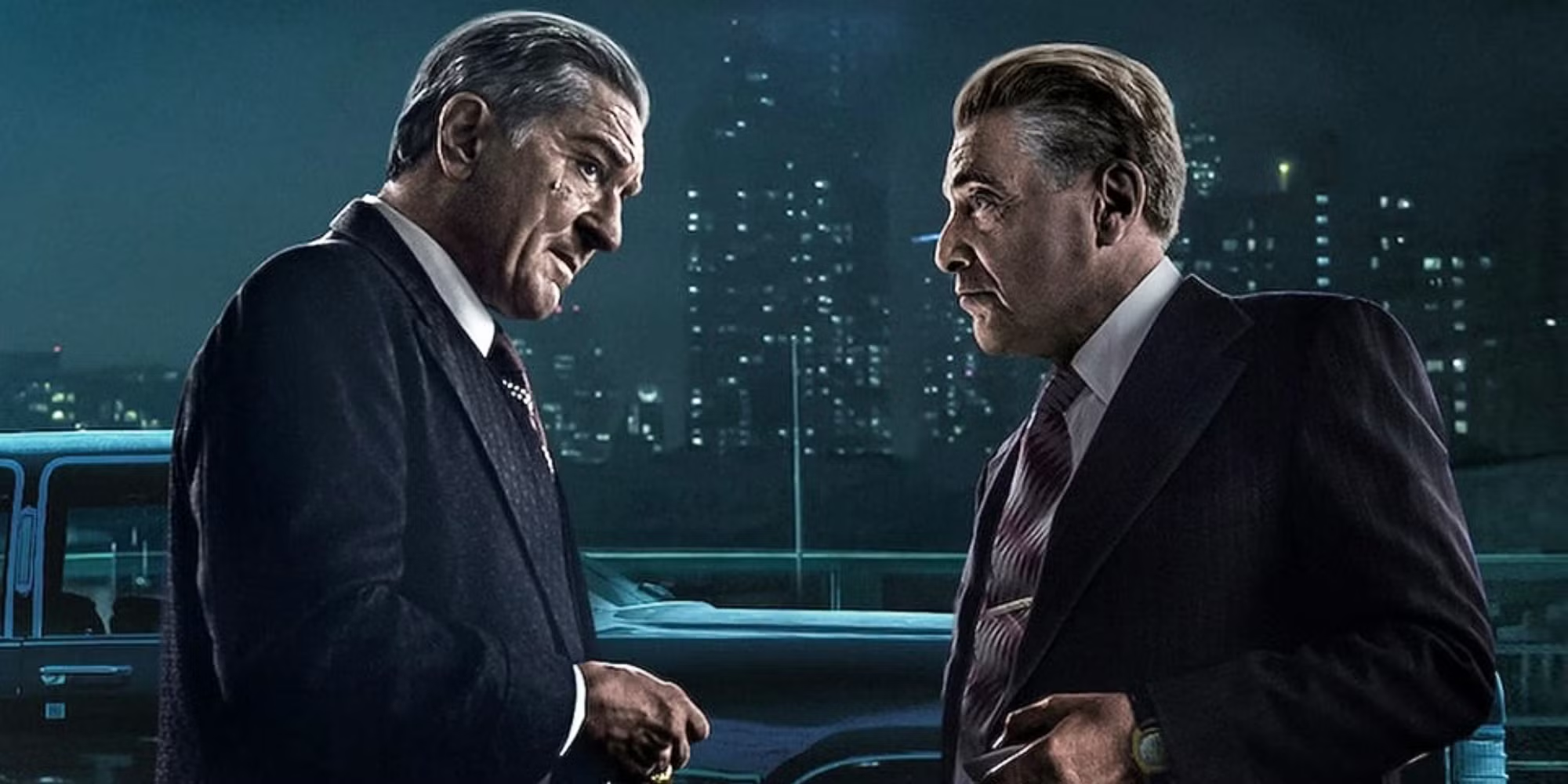
We started this series with Robert De Niro and Al Pacino, two giants who redefined what power could look like on screen. Their performances were raw and disciplined, violent yet vulnerable. They turned silence into suspense, rage into revelation. They taught us that intensity wasn’t just emotional…
…It was moral.
It was about how far a person could go before completely losing themselves.
And now, we stand in a new cinematic age, one that’s defined by depth instead of dominance.
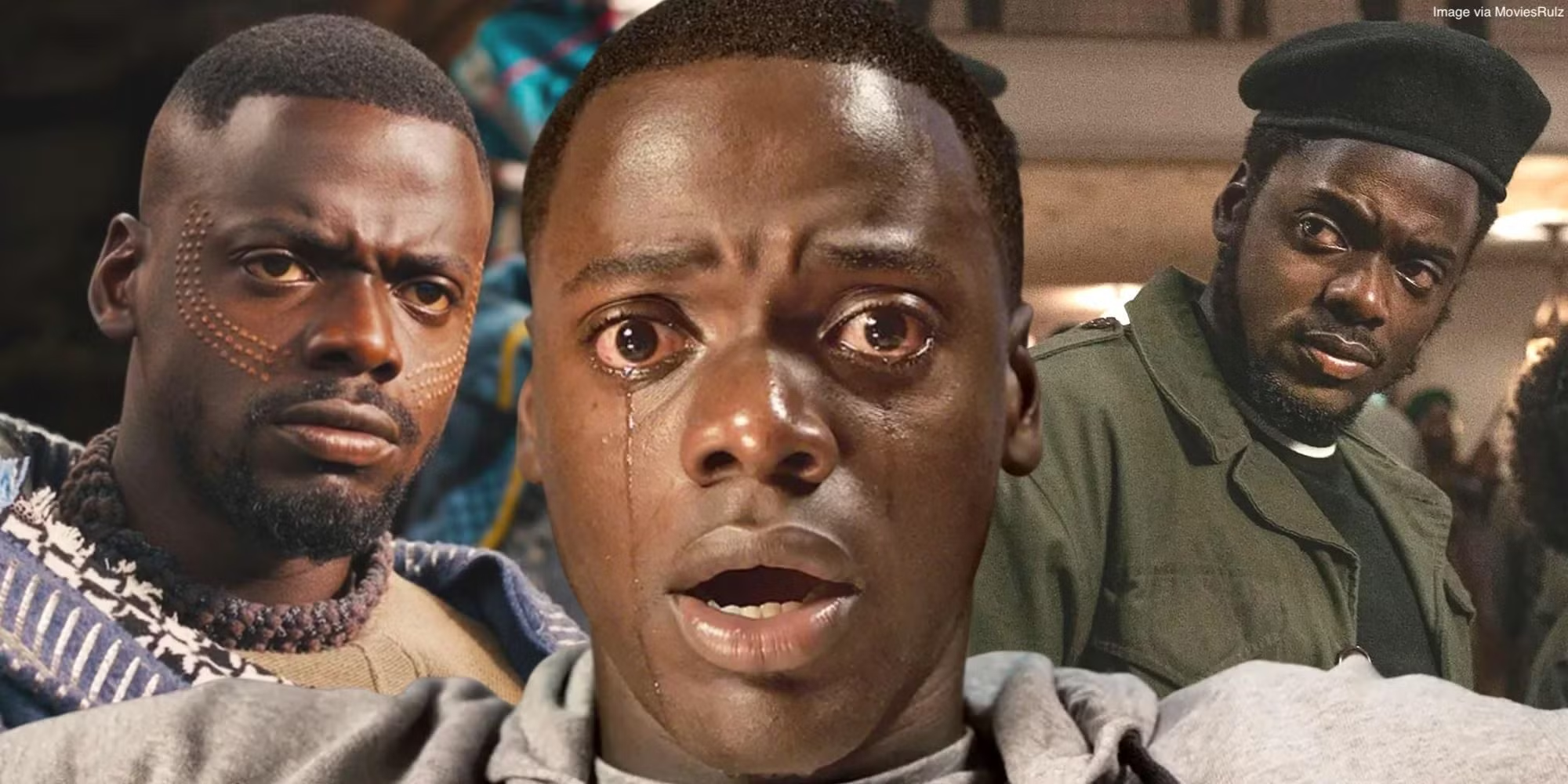
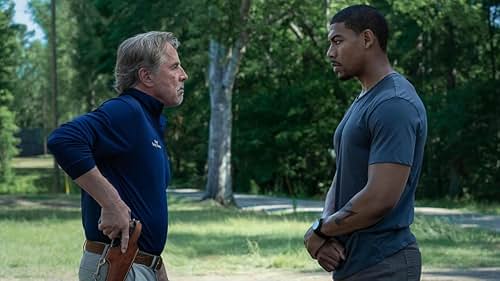
Daniel Kaluuya, Evan Peters, Gabriel Basso, John Boyega, and Aaron Pierre carry that torch differently.
Their craft is introspective, precise, socially aware.
They don’t chase spectacle; they inhabit truth.
Their characters don’t demand to be understood, they invite us to listen.
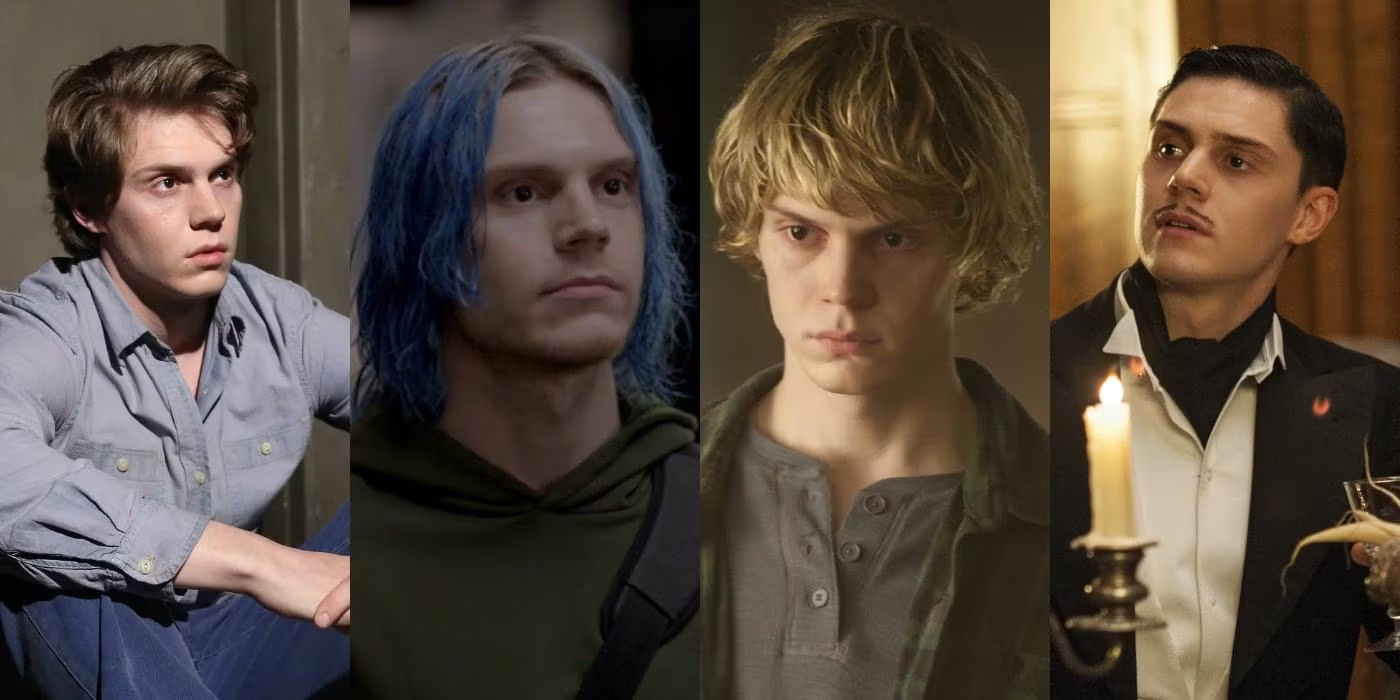

This is the evolution of intensity: no longer a performance of strength, but an embodiment of humanity.
We see it in Kaluuya’s controlled vulnerability, in Basso’s stoic endurance, in Boyega’s righteous conviction, and in Pierre’s spiritual stillness. These actors remind us that emotion doesn’t have to be loud to be seen and that authenticity itself can be the loudest thing in the room.
Maybe that’s what modern cinema requires of us now.
Patience.
To sit with discomfort.
To witness without judgment.
To understand that art isn’t always about catharsis, but about comprehension.
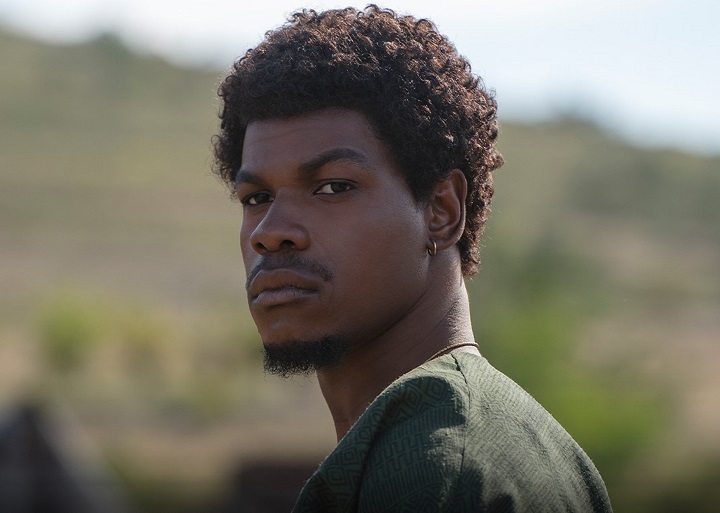

Acting, at its best, remains an act of empathy.
And intensity, in its truest form, isn’t about how much you feel but how deeply you’re willing to be seen feeling.
So, as the lights fade and the reel ends, The Bibi Edit closes this series not with answers, but with awe.
Because the anatomy of intensity is still being written.
In every look that lingers, every silence that unsettles, every truth that trembles on the edge of being spoken.
And somewhere, on a quiet set or a crowded street, another actor is already learning how to turn stillness into electricity.
And we, the watchers, the witnesses… are waiting to be moved again.
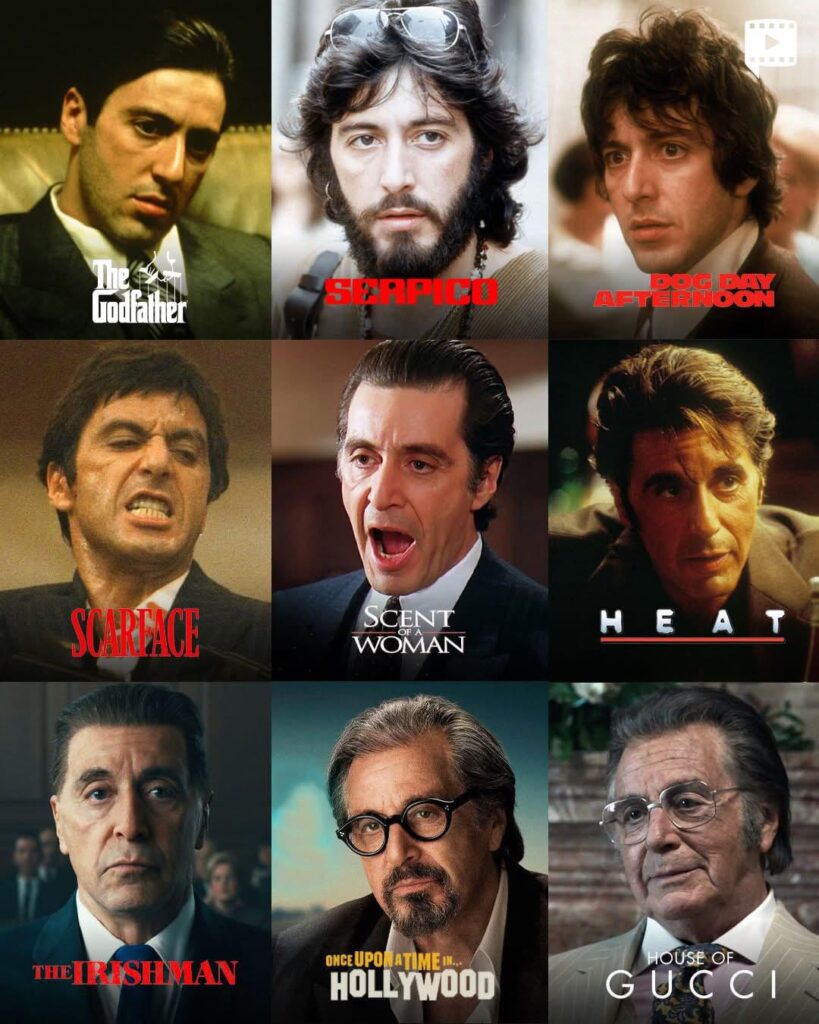
But intensity is only one language of power. In an industry evolving toward emotional transparency, another kind of presence is rising; quieter, more deliberate, no less transformative.
Where one generation roared, another listens. Where one shattered the frame, another studies it. In the coming weeks, The Bibi Edit turns toward a new exploration: The Modern Faces of Emotion — a study of actors who master restraint, vulnerability, and the subtle architecture of feeling. Because sometimes the deepest impact isn’t explosive. Sometimes, it’s intimate.
– Bibi x