The Bibi Edit
Stories, Style & Substance
Stories, Style & Substance
Stories, Style & Substance

There aren’t many faces in cinema that command silence the way Robert De Niro’s and Al Pacino’s do. Their names alone evoke entire worlds, ones of corruption, loyalty, loneliness, and power. They are two pillars of modern acting, forged in the same era but defined by different fires. One burns inward, the other outward. Yet somewhere between Taxi Driver and Heat, their energies collided to define what cinematic intensity truly means.
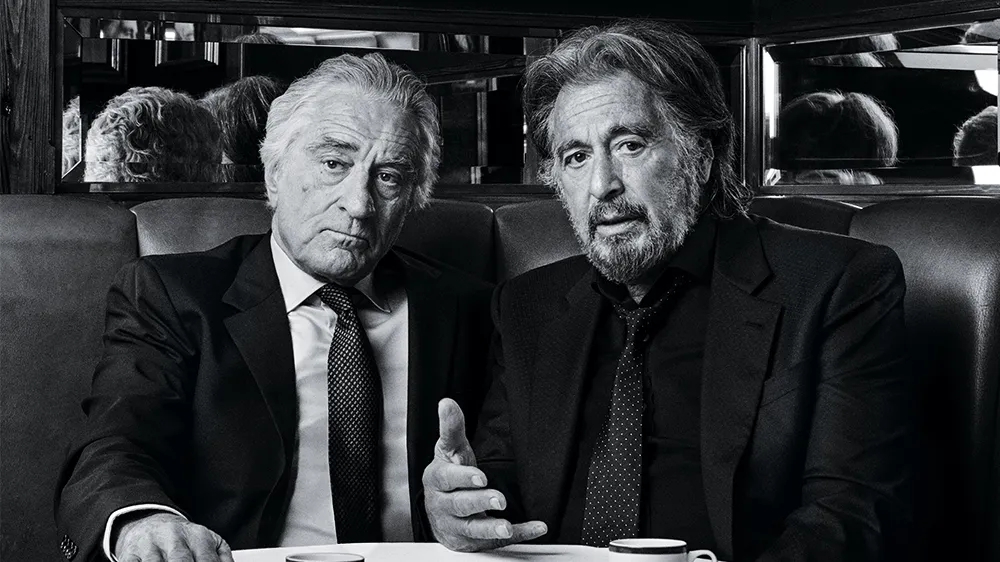
Both De Niro and Pacino came from the same cultural crucible; the New York of the 1970s, where realism became rebellion. Directors like Martin Scorsese, Francis Ford Coppola, and Sidney Lumet were reshaping American cinema into something raw and psychological. And out of that scene came two men who didn’t just act…
They inhabited.
Al Pacino, trained at the Actors Studio under Lee Strasberg, burst onto the screen as Michael Corleone in The Godfather (1972). His transformation from the quiet son to cold-blooded don remains one of cinema’s most haunting evolutions. By The Godfather Part II, Pacino had turned stillness into terror and his silence became an abyss.
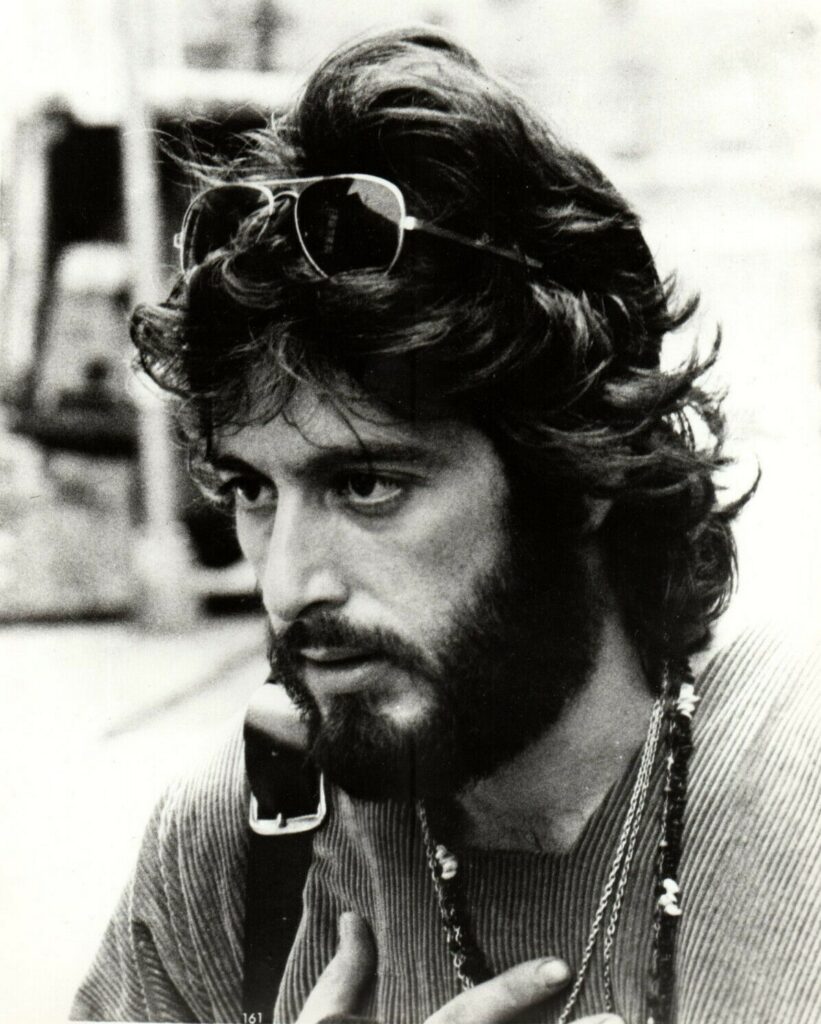
Later, in Serpico (1973), he flipped that same emotional current into fiery rebellion, playing a whistleblower trapped in a corrupt system. His rage was idealistic, almost spiritual. And then…Scarface.
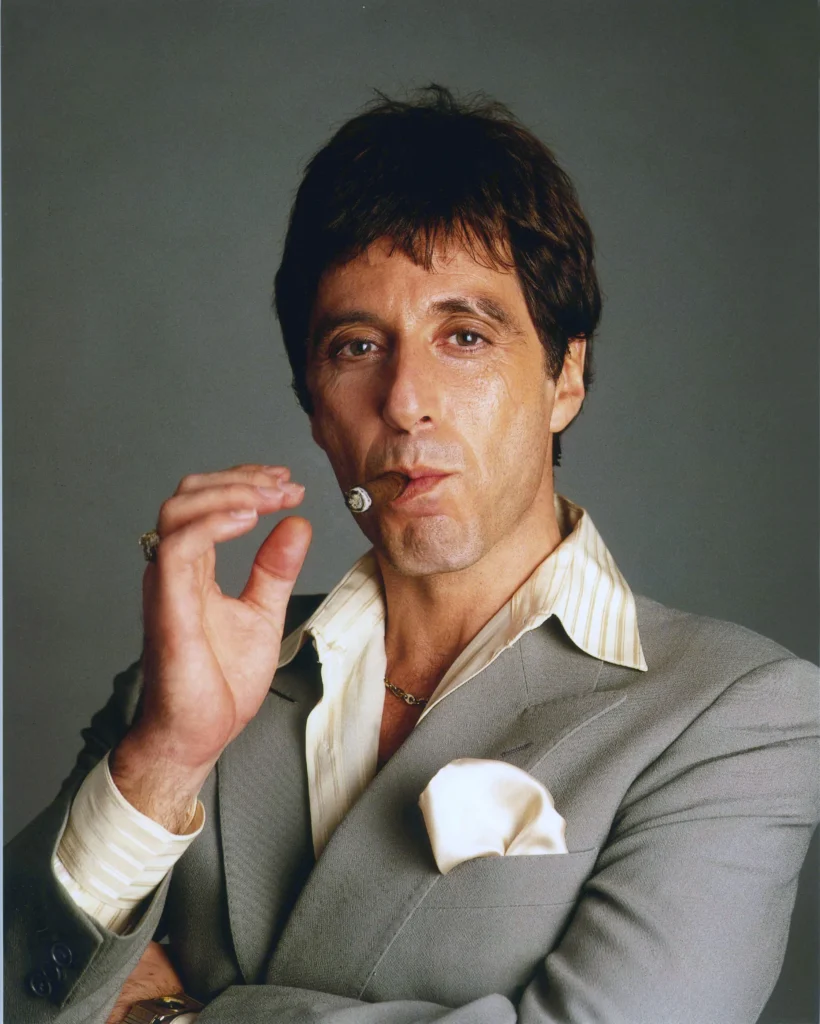
Scarface (1983) was where Pacino let his theatrical power explode completely. Tony Montana was vulgar, electric, and larger than life, the dark fantasy of ambition gone absolutely feral.
Robert De Niro, meanwhile, was mastering a different kind of possession. Also a student of method acting, he brought something else to the chaos…
Introspection.
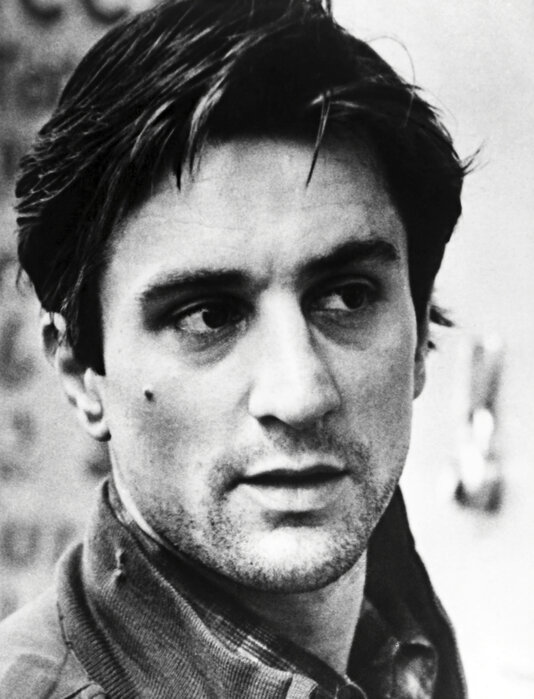
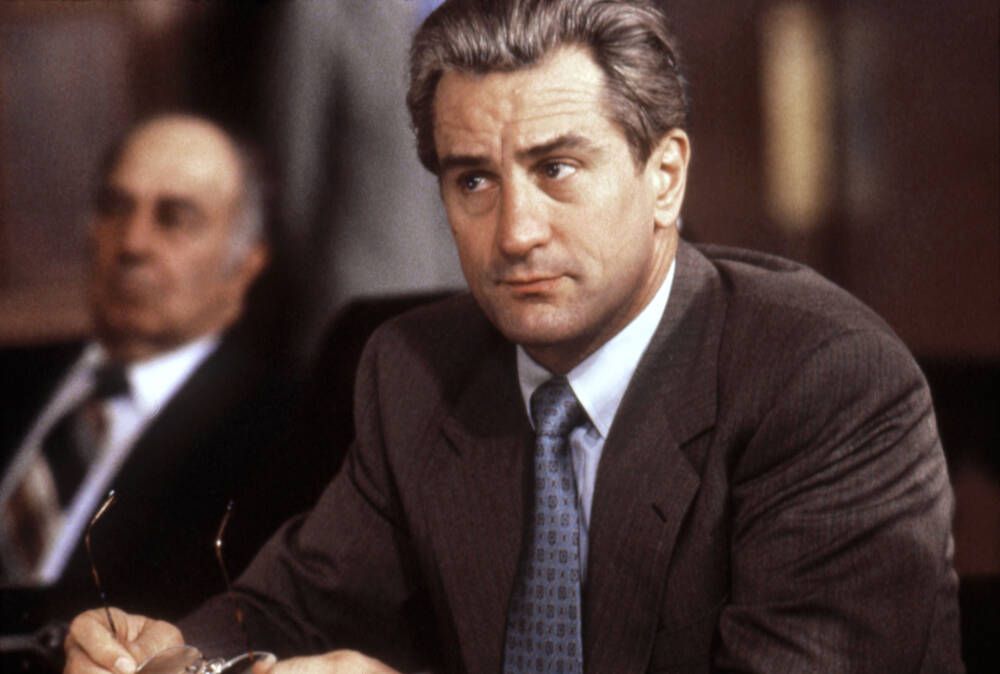
In Taxi Driver (1976), his Travis Bickle is a portrait of alienation so precise it feels like a diary written in silence. De Niro doesn’t need to shout. His intensity comes from the microscopic details: the shift in his gaze, the way he holds a pause too long, the echo of suppressed violence.
In Raging Bull, that control turns inward, into self-destruction.
And in Goodfellas (1990), his Jimmy Conway is the embodiment of quiet menace. Every smile conceals calculation.
What binds them…and sets them apart…
…are their eyes.
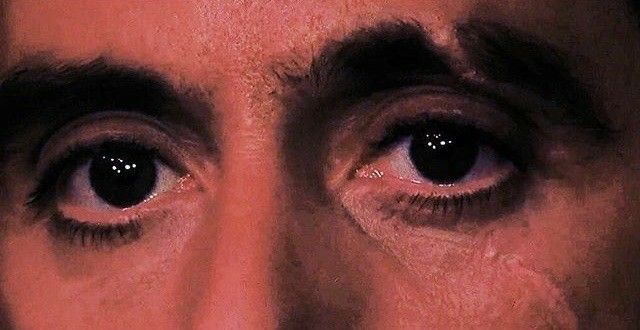
Pacino’s are a storm: expressive, volatile, always on the brink of explosion. His characters feel possessed by emotion, as if language can barely contain what’s burning beneath.
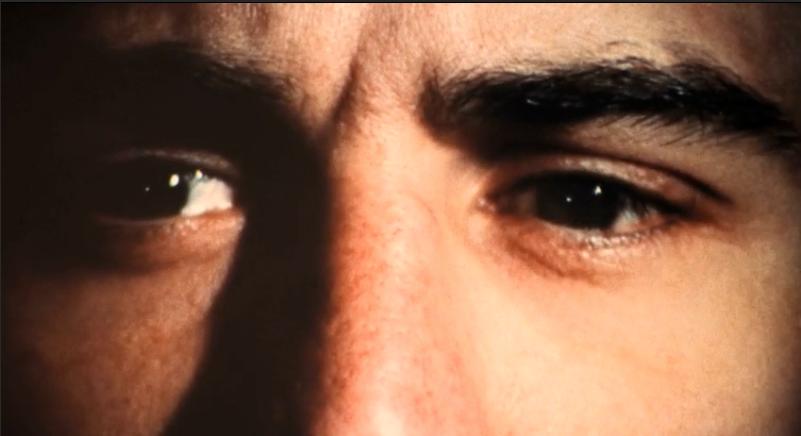
De Niro’s eyes, on the other hand, are like locked vaults.
You can see the thought, the judgment, the hidden violence. He doesn’t let you in; he makes you want to follow.
Together, they represent two poles of performance. Pacino externalizes the soul; his art is theatrical revelation. However, De Niro internalizes it. His art is psychological excavation. Watching them is like watching two different philosophies of truth.
It’s such a marvel to see.
For decades, they were the twin giants of crime cinema.
Circling each other, but never truly sharing the screen.
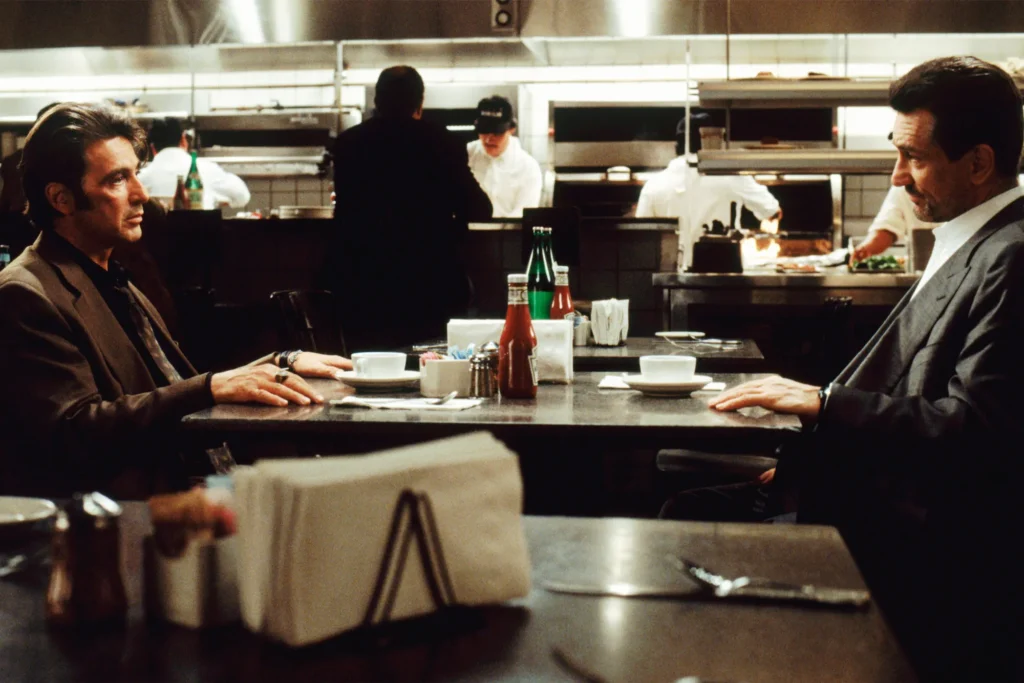
When Michael Mann’s Heat finally brought them together, it wasn’t just a casting coup; it was a cinematic reckoning.
De Niro’s Neil McCauley, a disciplined thief who lives by structure and silence, is pure De Niro: introspection embodied. Pacino’s Vincent Hanna on the other hand, the obsessive detective chasing him, is pure Pacino: fiery, loud, and emotionally uncontained.
In the iconic diner scene, the two men sit face to face.
Two worldviews in conversation.
There’s no shouting, no grand gesture.
Just tension. De Niro’s composure meets Pacino’s kinetic energy, and the screen vibrates with what isn’t said.
And oh wow, is there a lot unsaid.
That moment is more than dialogue. It’s the meeting of restraint and release, method and madness, two men who understand each other precisely because they are opposites.
Both actors, in their own ways, have spent their careers portraying obsession.
Men driven by invisible rules, haunted by identity and purpose.
They make obsession feel human. They turn madness into method.
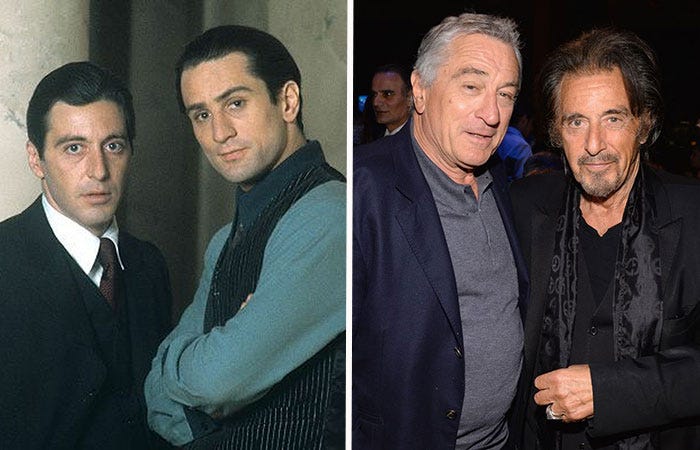
What makes De Niro and Pacino timeless isn’t just their technique, it’s their honesty. They never romanticise violence or power; they expose it.
Behind every glare or explosion lies vulnerability. Their characters are often men who’ve built fortresses around pain.
In their later years, that intensity has mellowed into reflection.
De Niro’s The Irishman (2019) and Pacino’s The Irishman and Hunters roles show men looking back, haunted by what their younger selves destroyed. The fire still burns, but now it flickers in regret.
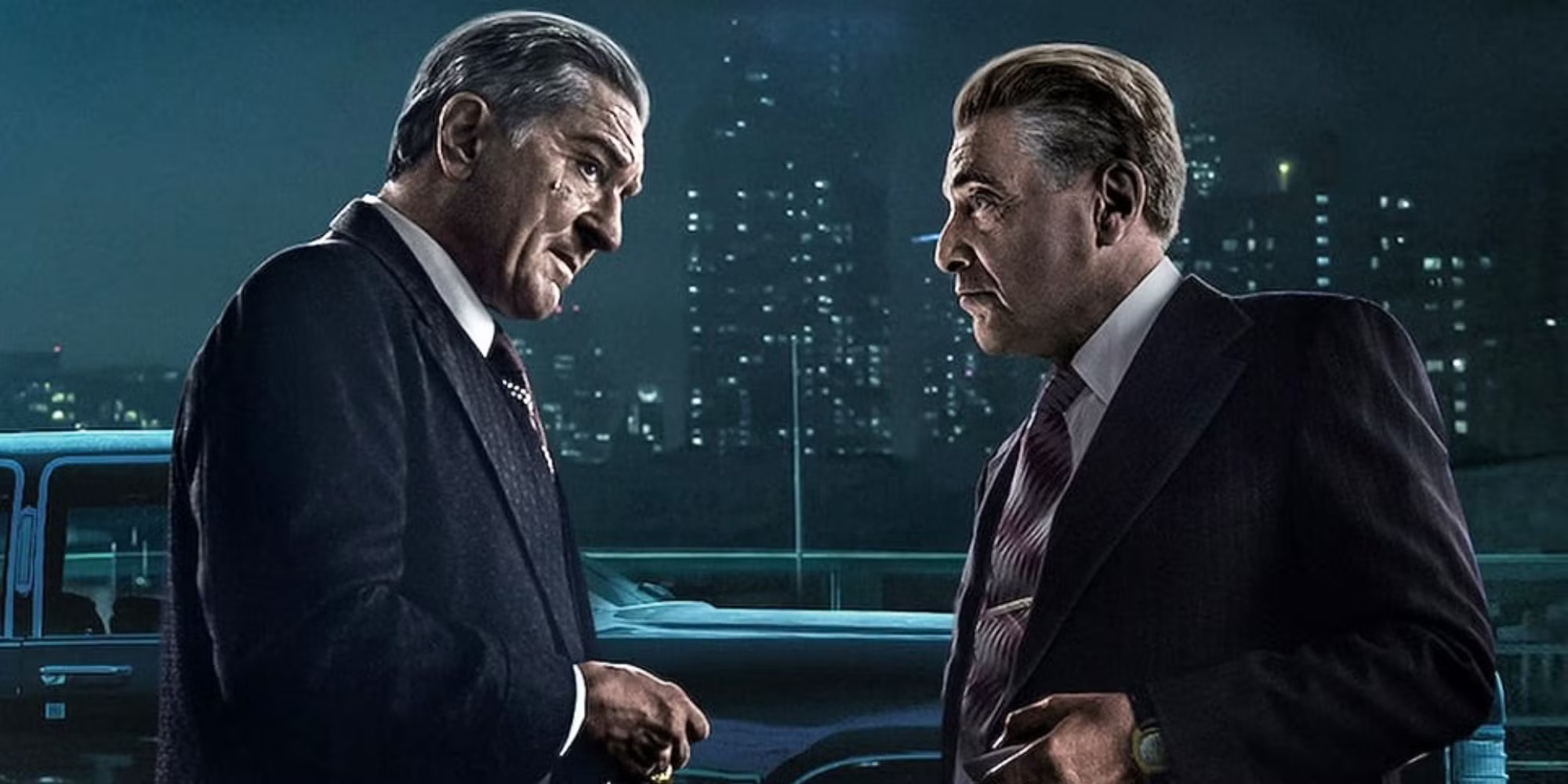
If cinema is a mirror for human complexity, then De Niro and Pacino are its twin reflections.
One holds the silence that terrifies, the other the outburst that liberates.
Together, they’ve shaped half a century of storytelling; turning crime, morality, and madness into art.
Watching them is so fascinating, like watching a conversation between two souls who’ve walked through the same darkness but learned different languages to describe it.
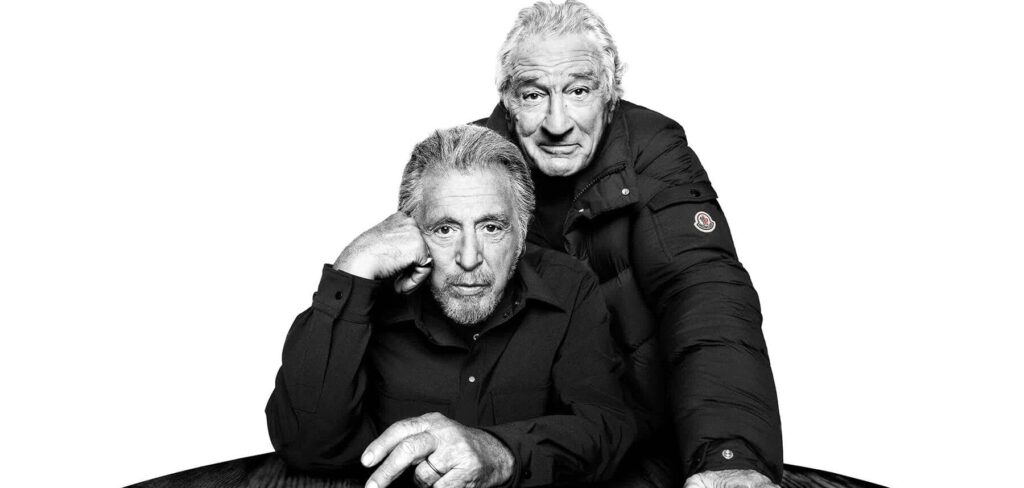
In the end, De Niro’s storm brews inward, Pacino’s erupts outward but both remind us that intensity, in its truest form, isn’t noise or chaos.
It’s truth, burning at different temperatures.
Intensity lingers long after the scene ends. In these essays, we’ve stepped into the fire of cinematic brilliance — from legends to rising stars — and witnessed how presence, volatility, and control shape the art we can’t look away from. Until the next frame, keep watching, feeling, and thinking like a cinephile.
While together they define the art of intensity, each actor’s journey tells its own story — from Pacino’s volcanic charisma to De Niro’s quiet mastery. Dive deeper in our essays on Al Pacino and Robert De Niro.”
– Bibi x