The Bibi Edit
Stories, Style & Substance
Stories, Style & Substance
Stories, Style & Substance

There is a quiet kind of conditioning that many women learn early in life.
Something absorbed in small, repeated moments.
The habit of softening our sentences.
Of pausing before we speak, to make room for someone else.
Of shaping our ideas so they feel more acceptable, more agreeable, more easily received.
It is not always obvious as silence. Sometimes it looks like politeness. Sometimes it looks like being “easy to work with.” Sometimes it looks like shrinking, so that the room does not shift around your presence.
And yet, even within this, women have always been telling their stories.
We have told them in fragments and full pages, in letters and captions, in novels and diaries, in whispered conversations on buses, in kitchens, in bathrooms, in group chats at midnight when something finally needed to be said out loud.
Storytelling has always been more than expression.
For women, it has been a way of staying intact.
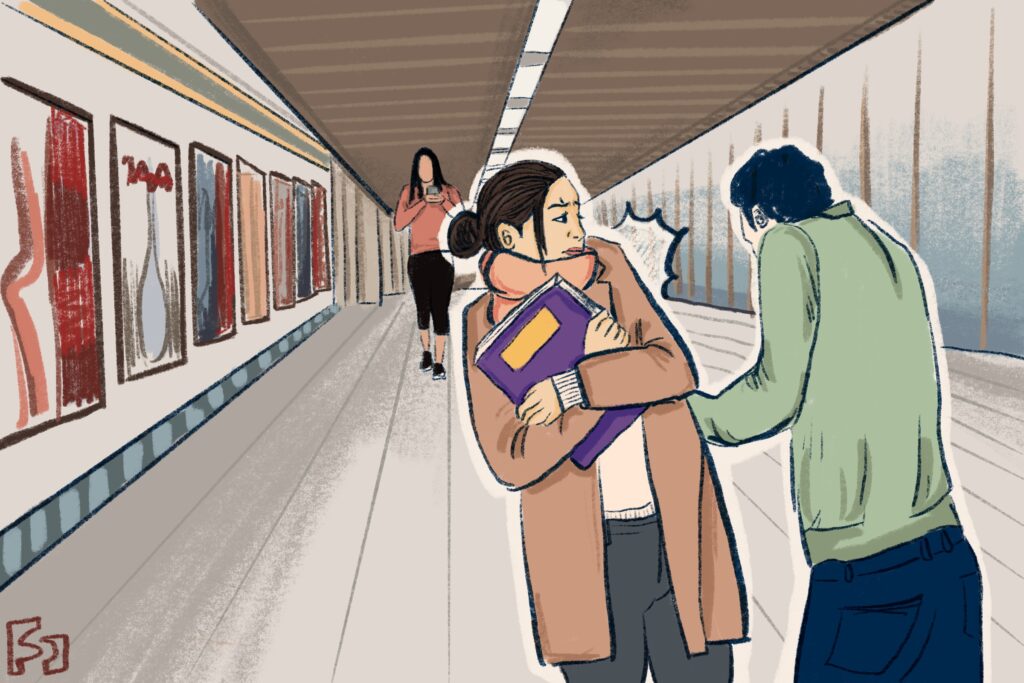
For a long time, women’s stories were not simply unheard. They were edited.
Edited by culture.
Edited by expectation.
Edited by the need to be “believable,” “appropriate,” or “likeable” enough to be taken seriously.
Even now, there is often a subtle negotiation that happens before we speak.
A calculation: How will this be received? Will I be interrupted? Will I be misunderstood? Will I be too much? Or not enough?
And so, many women learn to translate themselves in real time.
But something shifts when a woman stops translating and starts speaking plainly.
When she tells the story as she lived it; not as it might be softened, reframed, or made more palatable.
That moment is not just expression. It is authorship.
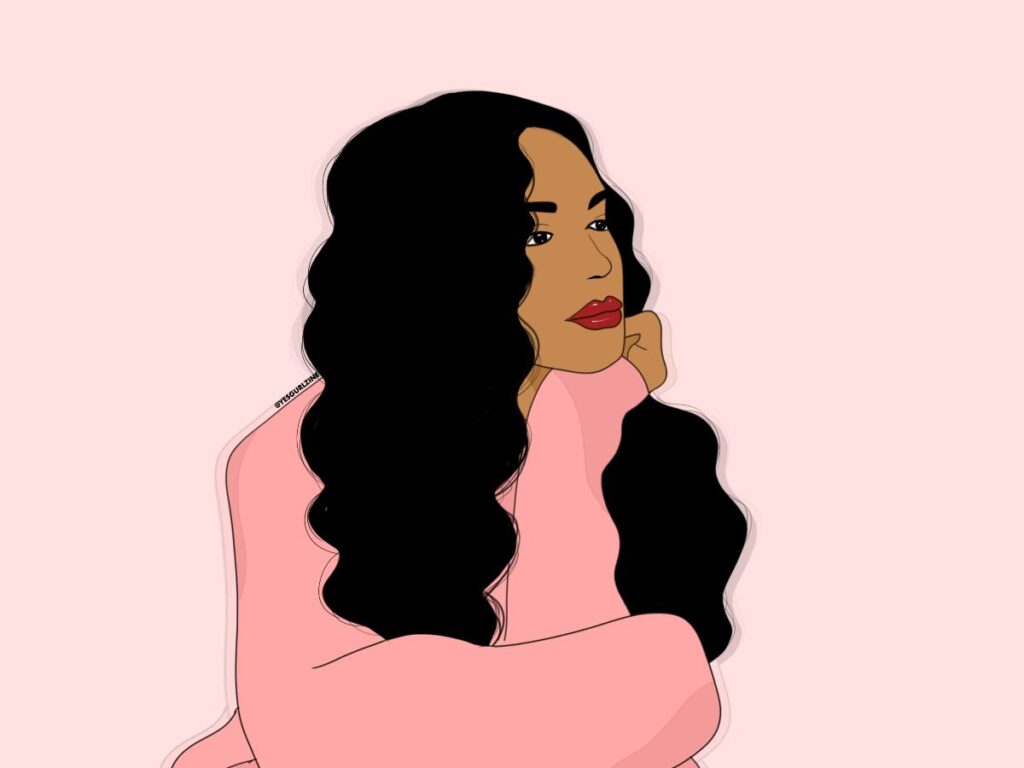
We often talk about self-advocacy as confidence. But for many women, it is closer to something quieter and more radical: the decision to trust your own voice without apology.
To say: this is what I experienced.
To say: this is what I need.
To say: this is where I stand.
Self-advocacy isn’t always loud.
Sometimes it is a sentence spoken once, without embellishment.
Sometimes it is a boundary held without explanation.
Sometimes it is choosing not to shrink in order to make someone else more comfortable.
And always, it is a form of storytelling.
Because every time a woman speaks for herself, she is refusing the version of her that others might prefer to tell instead.
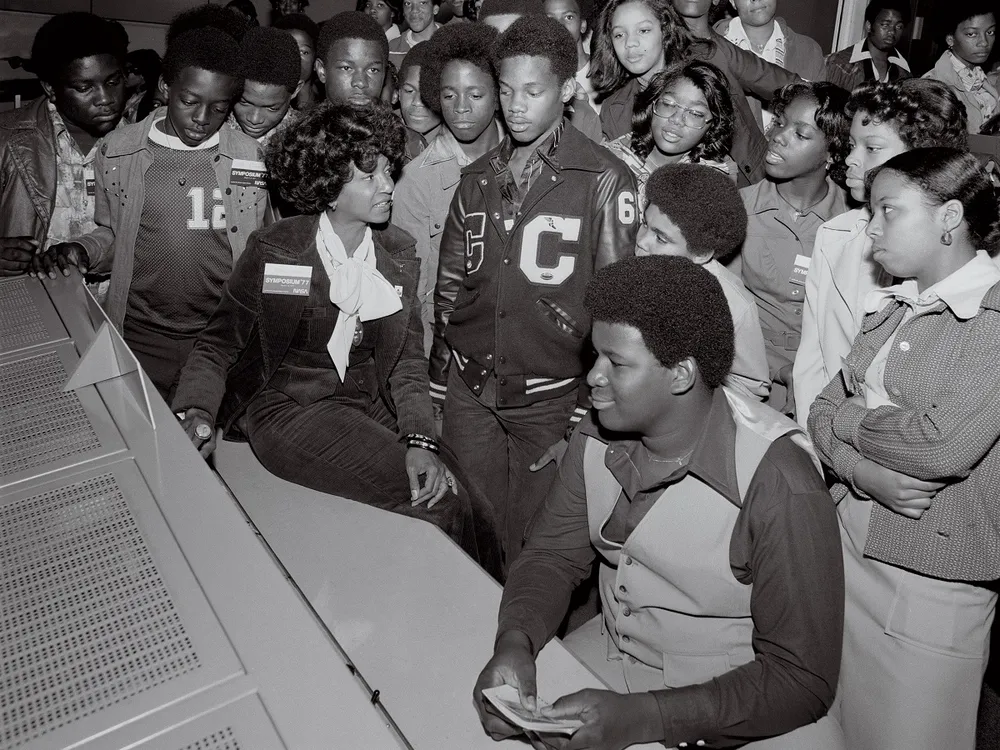
Women are often taught, implicitly, that space is limited.
That visibility must be rationed.
That ambition should be balanced with humility.
That confidence must be softened so it does not feel threatening.
But space is not something we take from one another.
It is something that expands when it is used.
Taking up space is not about dominance or interruption. It is about presence. It is about allowing yourself to exist fully in a moment without editing your own edges to make them smaller.
It can look like speaking in a meeting without prefacing your ideas with disclaimers.
It can look like writing without translating yourself for approval.
It can look like saying no without overexplaining.
It can look like saying yes without guilt.
It can look like simply refusing to disappear.
One of the quiet constraints placed on women is the expectation of simplicity.
We are often allowed one narrative at a time: strong or sensitive, ambitious or nurturing, successful or struggling. But real lives do not behave that way. Real lives overlap. Contradict. Evolve.
To tell your own story fully is to refuse flattening.
It is to allow yourself to be multiple things at once without apology. To be certain and uncertain. Soft and sharp. Brave and tired. Becoming and unbecoming, all at the same time.
And in that refusal to simplify, something opens up: honesty.
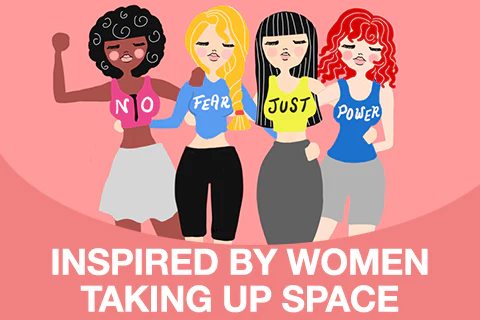
Women’s History Month is often framed as reflection but it is also continuation.
Because the work is not only remembering women’s stories…
…It is making space for the ones still being written.
Every time a woman tells her story in her own words, she adds something to a collective archive. Not just of experience, but of possibility. She makes language for something that may not have had language before. She shifts what others understand as normal, or acceptable, or imaginable.
And perhaps most importantly, she reminds other women that their stories are not exceptions.
They are part of a wider pattern of truth.
Freedom is often spoken about as something distant, abstract, almost unreachable.
But for women, it can also be very simple.
The freedom to speak without shrinking.
The freedom to be believed without justification.
The freedom to take up space without apology.
The freedom to tell your own story and have it remain yours.
Because when women are allowed to do that, something quietly transformative happens.
We do not just rewrite our own lives.
We begin to rewrite what we believe is possible.
If this essay resonated with you, you might like Why Feminist Literature Still Matters in 2026 and Becoming the Main Character in Your Own Routine.
You might also like I Deserve to Take Up Space, And I Make No Apologies.
See you in the next one!
– Bibi x