The Bibi Edit
Stories, Style & Substance
Stories, Style & Substance
Stories, Style & Substance


There are romance writers… and then there are writers who use romance as a vehicle for something much larger.
Kennedy Ryan belongs firmly in the second category.
To reduce her work to just love stories is to miss the architecture beneath them. Her novels are not simply about chemistry. They are about grief, social justice, systemic inequality, Black excellence, disability representation, political power, and the emotional cost of ambition.
And yet…
…they remain unapologetically romantic.
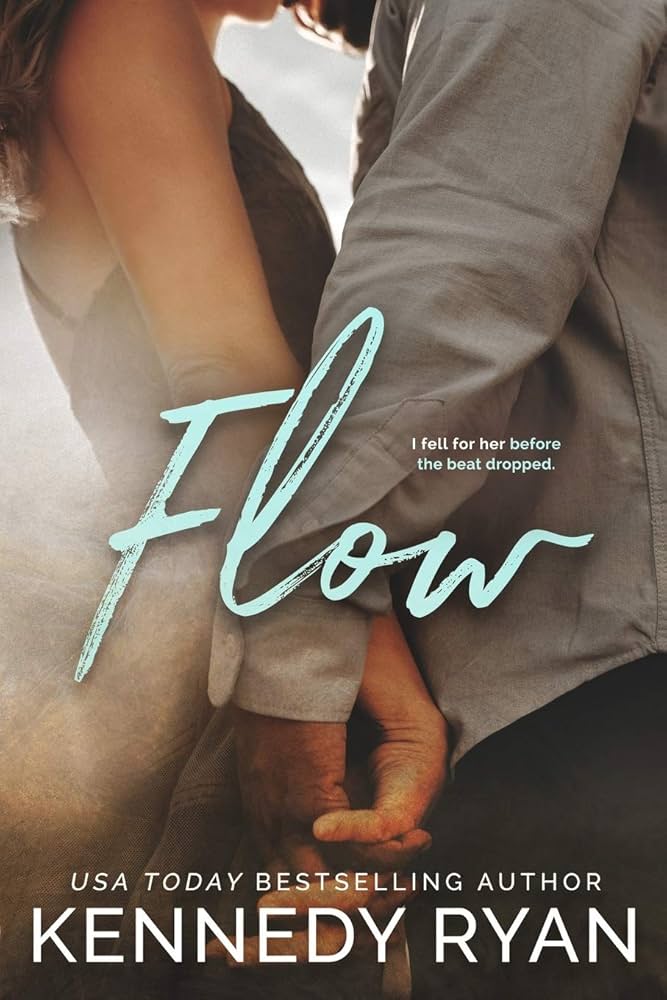
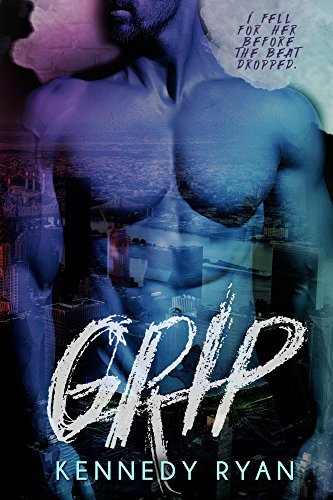
I first came across Kennedy Ryan’s work with Grip, and that was it for me.
That was it.
The constant push and pull, the internal battle, turning to see your love interest’s eyes already on you, that quiet, electric moment when you realise the feeling is mutual, when the main couple end up being a stronger unit in the face of grief and loss and vulnerability?
Wow.
After reading the entire Grip series, I fell down the rabbit hole.
Soul.
The Bennetts.
All the King’s Men.
Hoops.
Hollywood Renaissance.
Skyland.
Every novella, short story and subsequent release, I’ve voraciously read them all.
And that shows the power of amazing penmanship.
Ryan’s writing makes me want more.
And more.
And more.
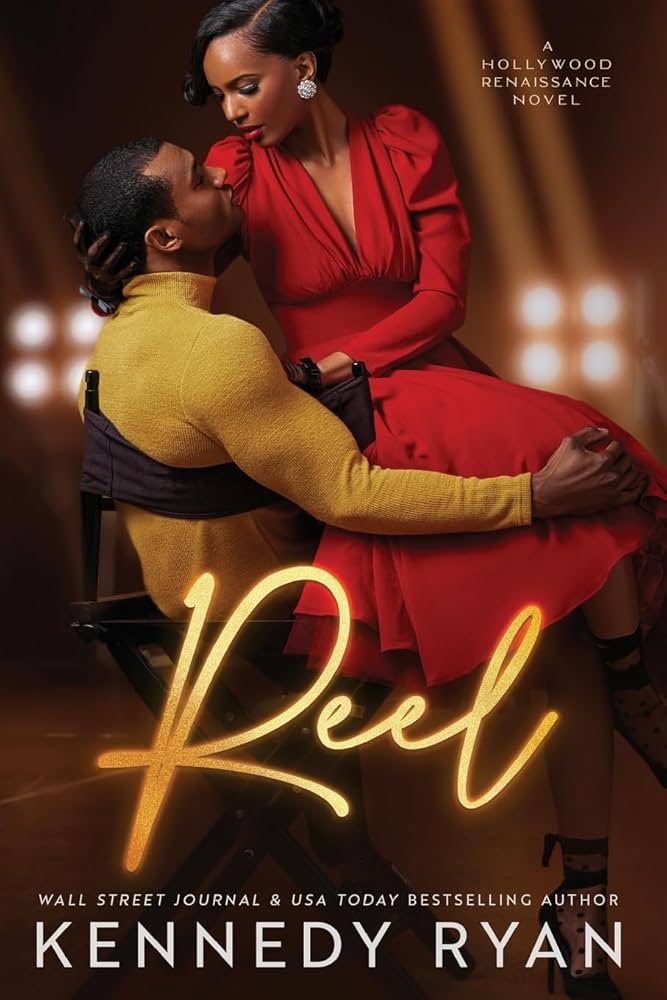
Ryan’s writing insists that Black women deserve epic love stories.
Not watered down.
Not trauma-only narratives.
Not side-character energy.
Epic.
In novels like Before I Let Go and Reel, she crafts relationships that are deeply sensual and deeply political at once. Her characters are artists, activists, filmmakers, entrepreneurs.
They are flawed.
Wounded.
Brilliant.
The romance is not escapism; it’s reclamation. To see a Black woman loved with intensity, devotion, intellectual respect, and vulnerability is, in itself, quietly radical in a genre that has historically centred whiteness.
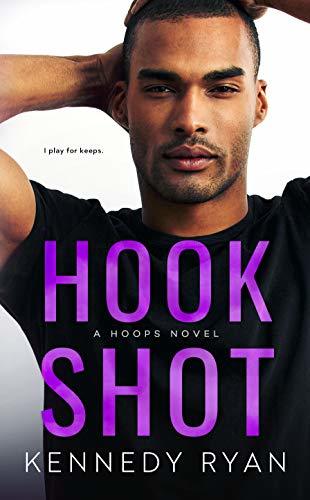
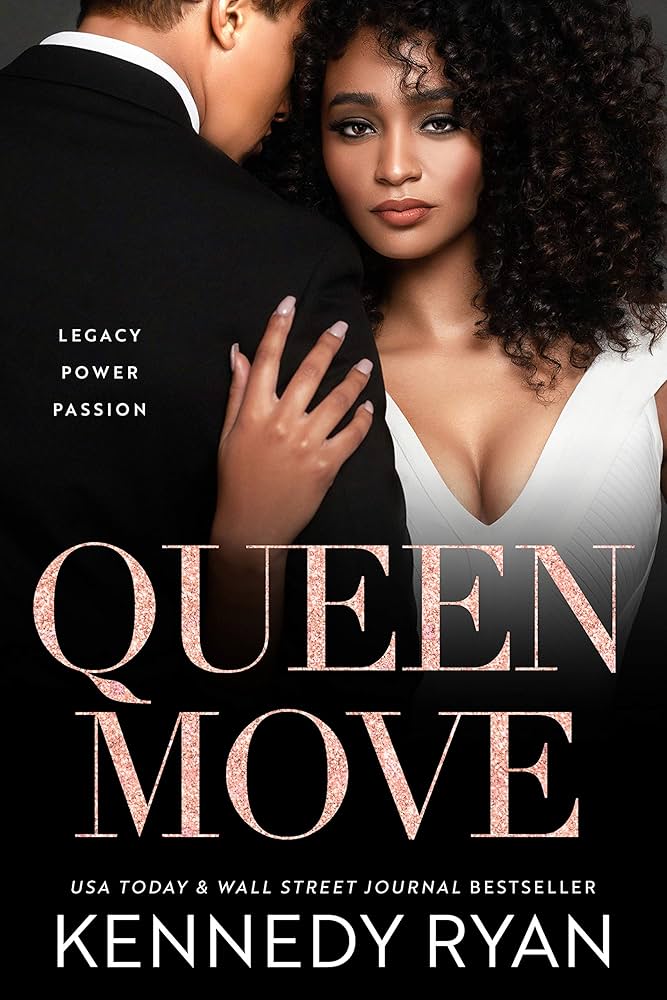
One of Ryan’s greatest strengths is emotional realism.
Her couples do not simply fall in love; they confront the damage that precedes it. Divorce. Addiction. Public scrutiny. Career sacrifices. Mental health battles.
She allows her heroines to be exhausted. To be angry. To be wrong.
But she never strips them of dignity.
There is something profoundly feminist in that refusal to flatten women into archetypes.
Her heroines are not “strong” in the cliché sense. They are layered. They break. They repair. They demand reciprocity.
And the men? They are required to rise to the emotional standard set before them.
And that is so powerful and validating.
Ryan’s prose is lyrical without being indulgent. She understands pacing. She understands tension. She understands how to write intimacy that feels earned rather than decorative.
But perhaps what distinguishes her most is care.
Care in representation.
Care in research.
Care in portraying chronic illness, disability, and social injustice without voyeurism.
She does not use struggle as aesthetic. She contextualises it.
And that care builds trust with readers.
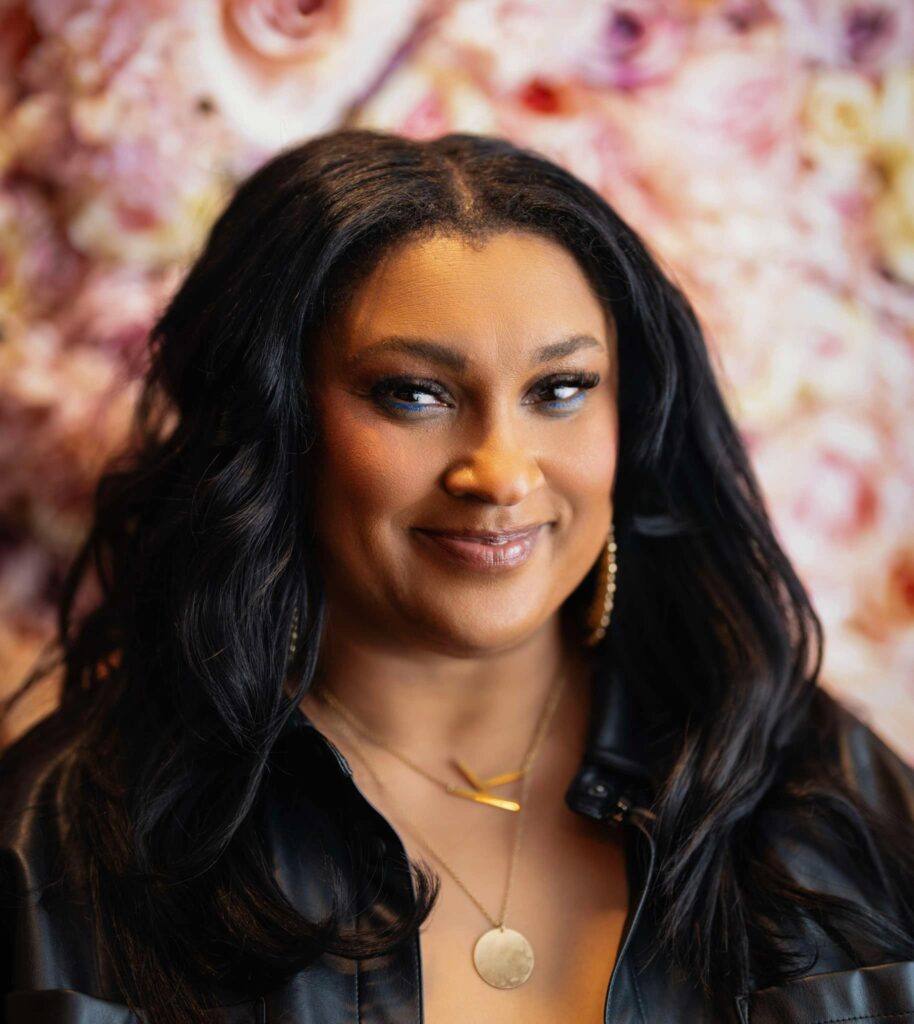
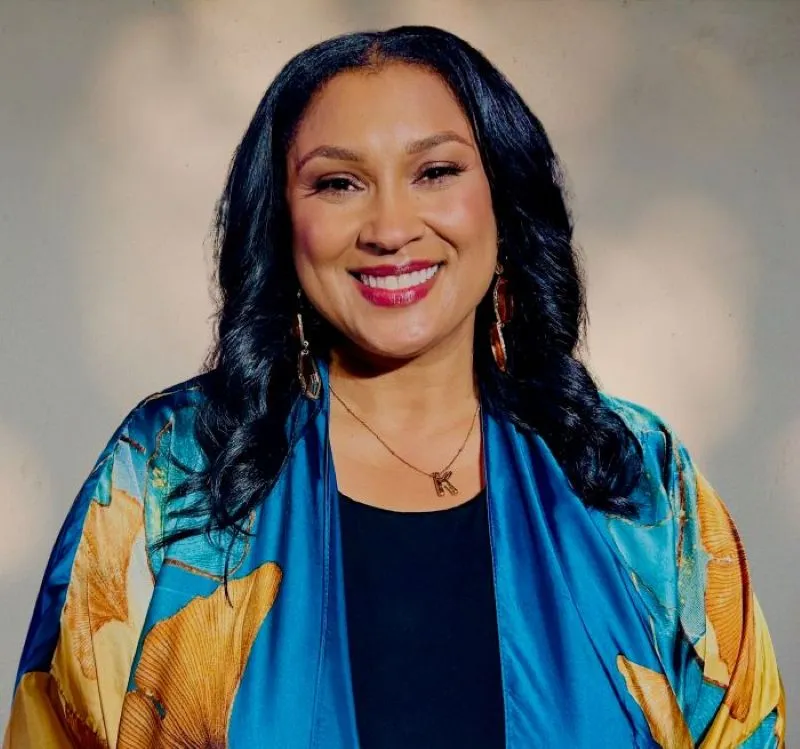
In an era where romance publishing is booming, propelled by online communities and viral recommendations, Ryan represents what the genre can be at its most expansive.
She proves that romance can be politically aware without being didactic.
That it can centre Black love without explanation.
That it can be sexy and serious at the same time.
Her work sits at the intersection of feminist literature and genre fiction, quietly challenging the hierarchy that often dismisses romance as lesser.
Romance has always been one of the most culturally revealing genres. It exposes what a society believes about desire, partnership, gender roles, and worth.
Ryan simply refuses to let those beliefs remain unexamined.
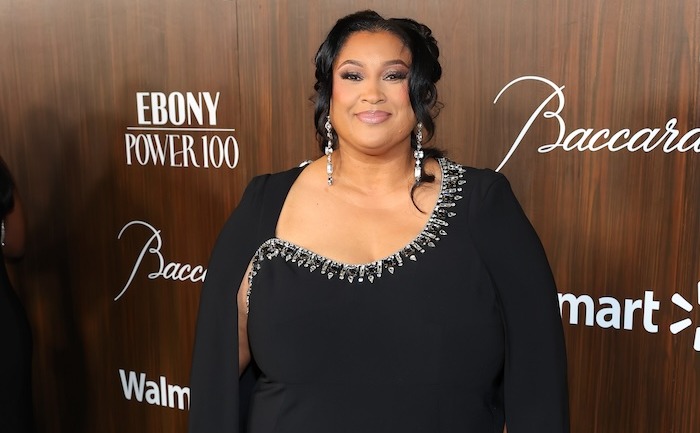
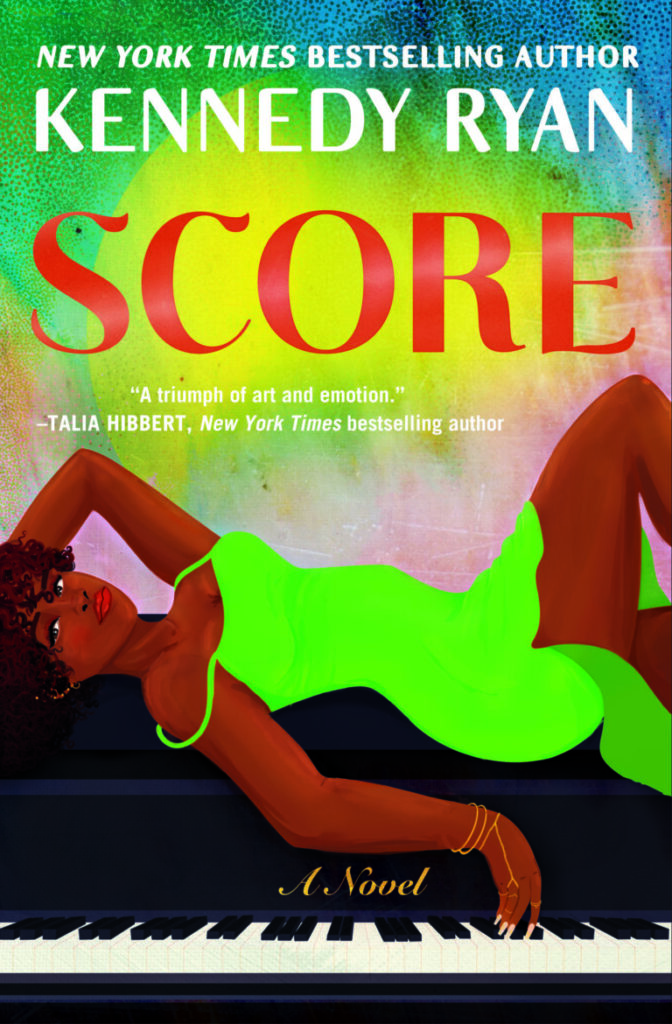
This writer spotlight isn’t just about admiration. It is about acknowledging influence.
Kennedy Ryan is part of a lineage of women who use love stories to widen possibility.
She reminds us that joy is political.
That pleasure can coexist with critique.
That Black women deserve narratives of abundance.
That healing can be sensual.
And perhaps most importantly, that writing romance well is not easier than writing literary fiction.
It is craft.
It is courage.
It is cultural work.
And in the hands of a writer like Ryan, it is legacy.
If you enjoyed this post, check out my January Writer Spotlight.
See you in the next one!
– Bibi x